
Simanaitis Says
On cars, old, new and future; science & technology; vintage airplanes, computer flight simulation of them; Sherlockiana; our English language; travel; and other stuff
A GREEN IDEA HOUSE
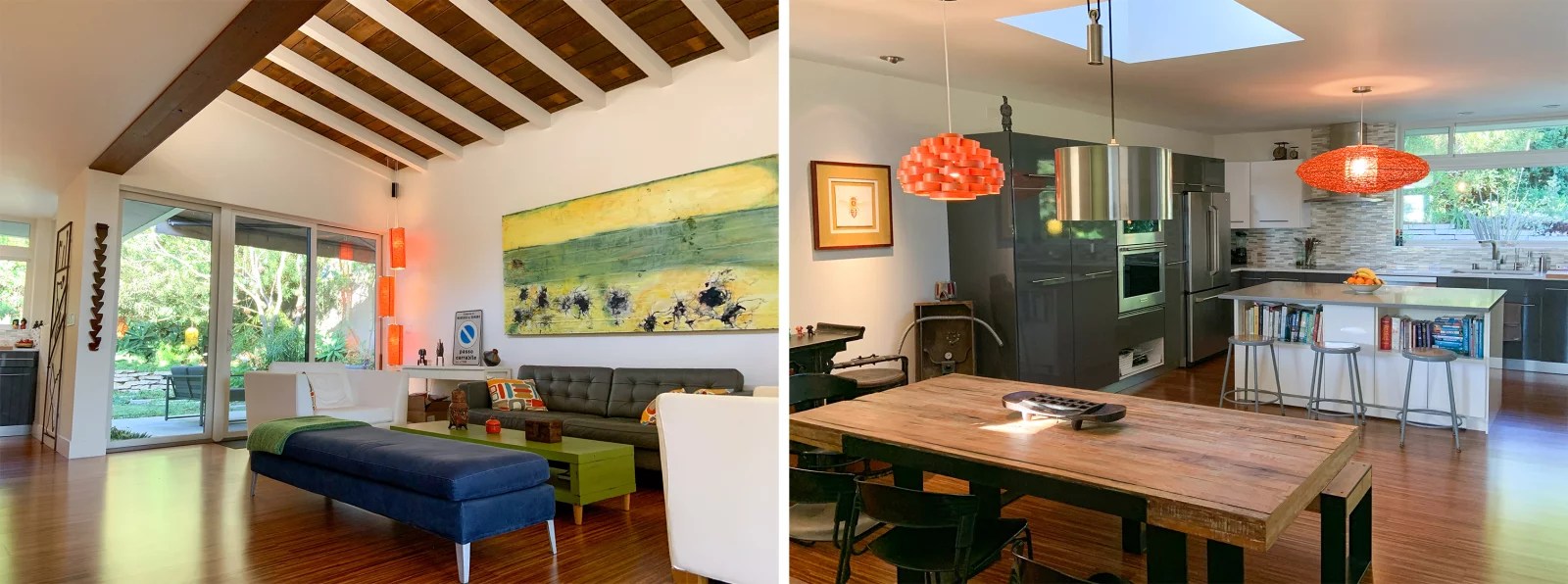
JEFF BRADY DESCRIBES “5 LESSONS FROM A HOUSE That Generates More Energy Than It Uses,” NPR, September 20, 2025. Brady recounts, “Robert Fortunato’s ‘Green Idea House‘ has been doing that for over a decade. He remodeled his family’s 1959 house into a 2,150-square-foot environmentally friendly home, and he says he did it for less than the cost of a traditional remodel.”
Given my place was built in the mid-Sixties, I wanted to learn more. Here are tidbits gleaned from Jeff Brady’s NPR article.

The Challenge. “Shepherding such a project,” Brady says, “requires a lot of time and energy from the homeowner. There’s research and planning, some stubbornness when it comes to working with contractors and suppliers, and now some updates for a climate that’s warming faster than expected.”
“Still, Fortunato’s family ended up with a stylish, contemporary, four-bedroom, two-bath home. While a project like this is not for everyone, Fortunato hopes others will learn from his family’s experience and take on similar projects.”
Get Into The Power Business. Brady shares Fortunato’s experience: “Disconnecting from the local gas company saved some money during the remodel because he didn’t have to reinstall gas pipes throughout the house. And in replacing appliances they chose electric ones, including an induction stove.”

Fortunato installed 26 solar panels on the roof that generate all the electricity the house uses, plus enough for two electric cars.
Return On Investment. Brady relates, “ ‘We really haven’t had an electric bill or a gas bill in the last 13 years,’ Fortunato says. He did have to pay $18,000 up-front to install the panels. He estimates his family saves about $4,800 a year in utility bills, so it took four years to recover that initial expense before the electricity became almost free. (There are still utility connection charges, since he remains connected to the grid.)”
Tradeoffs. Brady notes, “Spending money on rooftop solar is not affordable for everyone, and the industry has gained a reputation for high-pressure sales tactics. NPR has reported on ways to protect yourself.”
Shooing off such sales tactics has become a hobby of mine: I complement the guy for having a nice day to walk the neighborhood—but “I’m not interested….”
Eave Advantages. “One of the features is the flat roof,” Brady observes, “which extends 5 feet over the front of the house. It hides the solar panels, which some consider ugly, so they can’t be seen from the street.”

The extended roof has another purpose that saves energy: “Sixty percent of the energy that is saved, in terms of heating and cooling, is through that overhang alone,” Fortunato says. In the summer, it shades the southwest-facing house when the sun is higher in the sky. “And then in the wintertime, the sun rises low in the sky across the horizon. And the sun goes into the windows and actually heats up the house for free.”
Optimizing Locale. Brady notes, “Taking advantage of a home’s location and then planning construction in this way takes research and planning. Fortunato says the concept he employed is an ancient one, adopted from Native American cliff dwellings in what is now Mesa Verde National Park in Colorado.”
Heat Pumps. “When Fortunato began remodeling his house 15 years ago,” Brady observes, “some of the technology that’s common now was just starting to be sold. That includes heat pump water heaters, which save energy by moving heat from one place to another instead creating heat with an element or flame.”
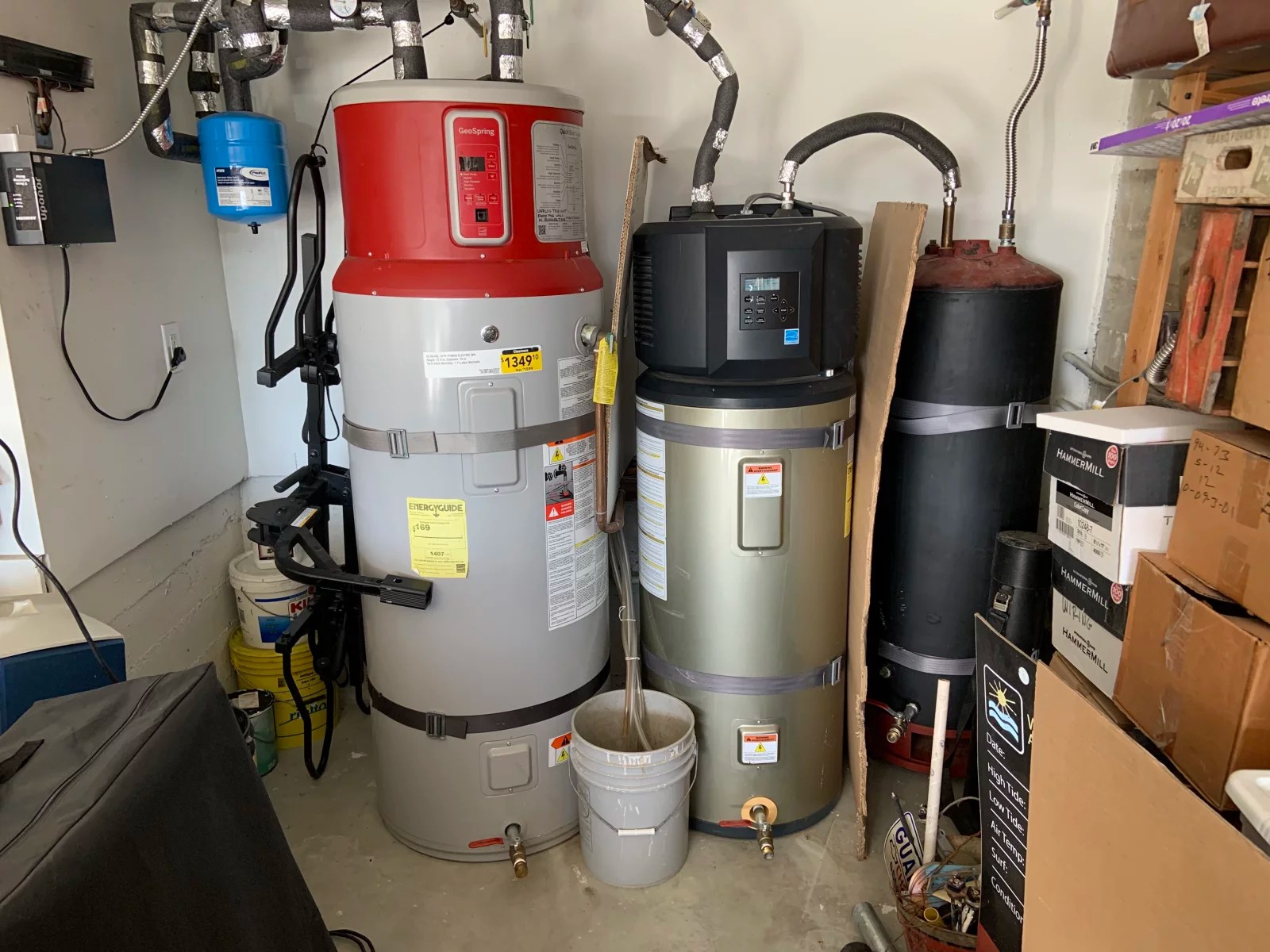
Fortunato had two heat pumps installed, one for hot water, the other to supply radiators that heat the home. Back then, Fortunato recalls, “the contractors treated the concept like ‘science fiction.’”
Little Things Matter. “For example,” Brady relates, “the brown metal siding on the house was selected because it was made in a nearby factory in Fontana, Calif. Fortunato wanted to avoid burning fossil fuels to have it delivered across the country.” He ended up changing the color when the original siding source was in Texas.
Brady writes, “Fortunato also ‘replaced an old garage door opener that used 15 watts just sitting there continuously.’ The new one uses about 80% less electricity, waiting to sense when someone pushes the button. It’s a small savings but important to Fortunato.”
Having A Rational Plan. Brady relates a tale: “It’s important to figure out your goals and question motivations to make sure the goals are actually accomplished, says Chris Magwood with the clean energy nonprofit group Rocky Mountain Institute (RMI). ‘Having me as a consultant is like having that annoying 2-year-old in your house because I just go, why? Like, why a solar house?’ says Magwood, who wrote a book about designing more efficient houses.”
Still a Rarity. “But houses like this which produce more energy than they use,” Brady observes, “are still just a fraction of a percent of the 140 million housing units in the country. Fortunato says that’s ‘very disappointing.’ Ultimately, he hopes the money his family saves will help persuade others to build homes like his.”
“Just rough math,” Fortunato says, “about $200 a month for the house and about $100 each for the cars. That’s $400 a month in utility and gasoline savings that could keep adding up, 15 years after the Green Idea House was finished.”
Hmm… Maybe I should stop shooing that solar guy off the front stoop? ds
© Dennis Simanaitis, SimanaitisSays.com, 2025
 Simanaitis Says