
Simanaitis Says
On cars, old, new and future; science & technology; vintage airplanes, computer flight simulation of them; Sherlockiana; our English language; travel; and other stuff
SEVERAL HELPFUL PHRASES
TRUTH IS, I’M NOT REALLY INTO SELF-HELP (this, despite those who might suggest otherwise). However, I was impressed by Catherine Pearson’s “8 Phrases to Help Your Relationship Thrive,” The New York Times, September 12, 2025.

Catherine confesses, “When my husband and I argue, all he has to do to drive me bonkers is tell me to ‘calm down.’ Deploying those words is akin to pouring oil on fire, therapists say. Meanwhile, my bad habit is defaulting to phrases like ‘you always’—another no-no. But while it’s easy to rattle off comments that couples should avoid, it’s trickier to identify the expressions that can help strengthen relationships, even in the midst of a disagreement.”
“So,” Catherine recounts, “I asked several couples therapists to share their recommendations for improving communication with a partner. Keep in mind: No one phrase is a panacea, and your timing and tone are important.”
Here are tidbits gleaned from several of her thoughtful findings.
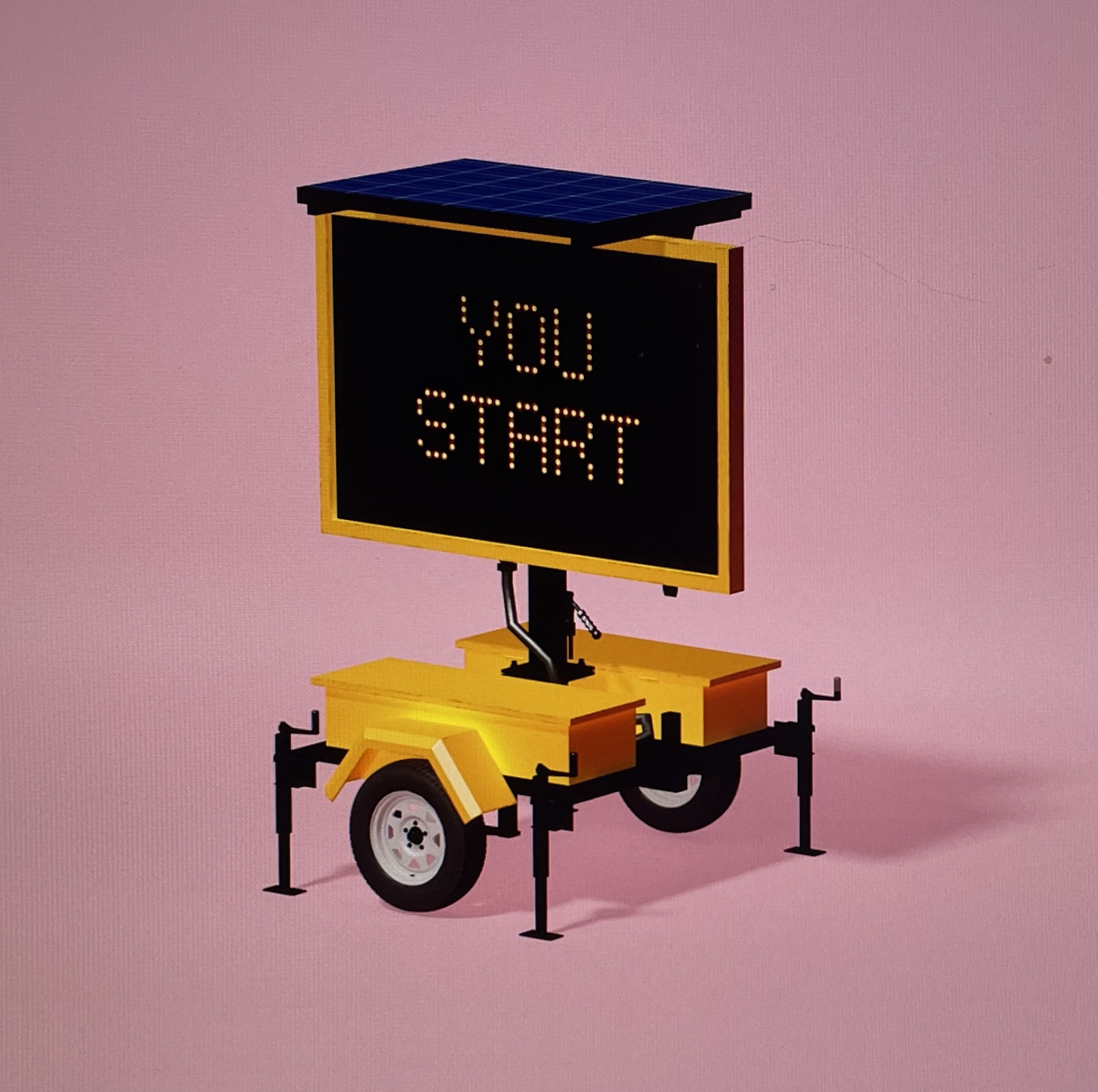
This and following images by Pablo Delcan. Upon accessing the article, the signage transforms.
“You Start.” “Conflict often arises when partners are struggling to be understood by each other—at exactly the same time, said James Cordova, a professor of psychology at Clark University and author of The Mindful Path to Intimacy. ”
“ ‘We’re like two fire hoses pointed at each other,’ Dr. Cordova said. ‘We’re fighting harder to be heard.’ ”
Instead: “Saying ‘You start’ is a simple way to ‘flip that script,’ he added. It signals that you really want to understand where your partner is coming from.”
Gee, what a promising start to a discussion: caring what the other person feels. (On the other hand, counterproductively and deviously, it might give you more ammo.)

“Can We Slow Down?” Catherine cites, “Heated arguments usually happen fast, said Allen Sabey, a clinical assistant professor at Northwestern University. People tend to become reactive, which can quickly turn into ‘blame, defensiveness, criticism, avoidance,’ Dr. Sabey warned.”
Been there; done that. Catherine suggests, “Asking ‘Can we slow things down?’ acknowledges you both have a role to play in responding to one another with more curiosity and care.”
Aha, there’s that word “care” again. I’m seeing a pattern here.
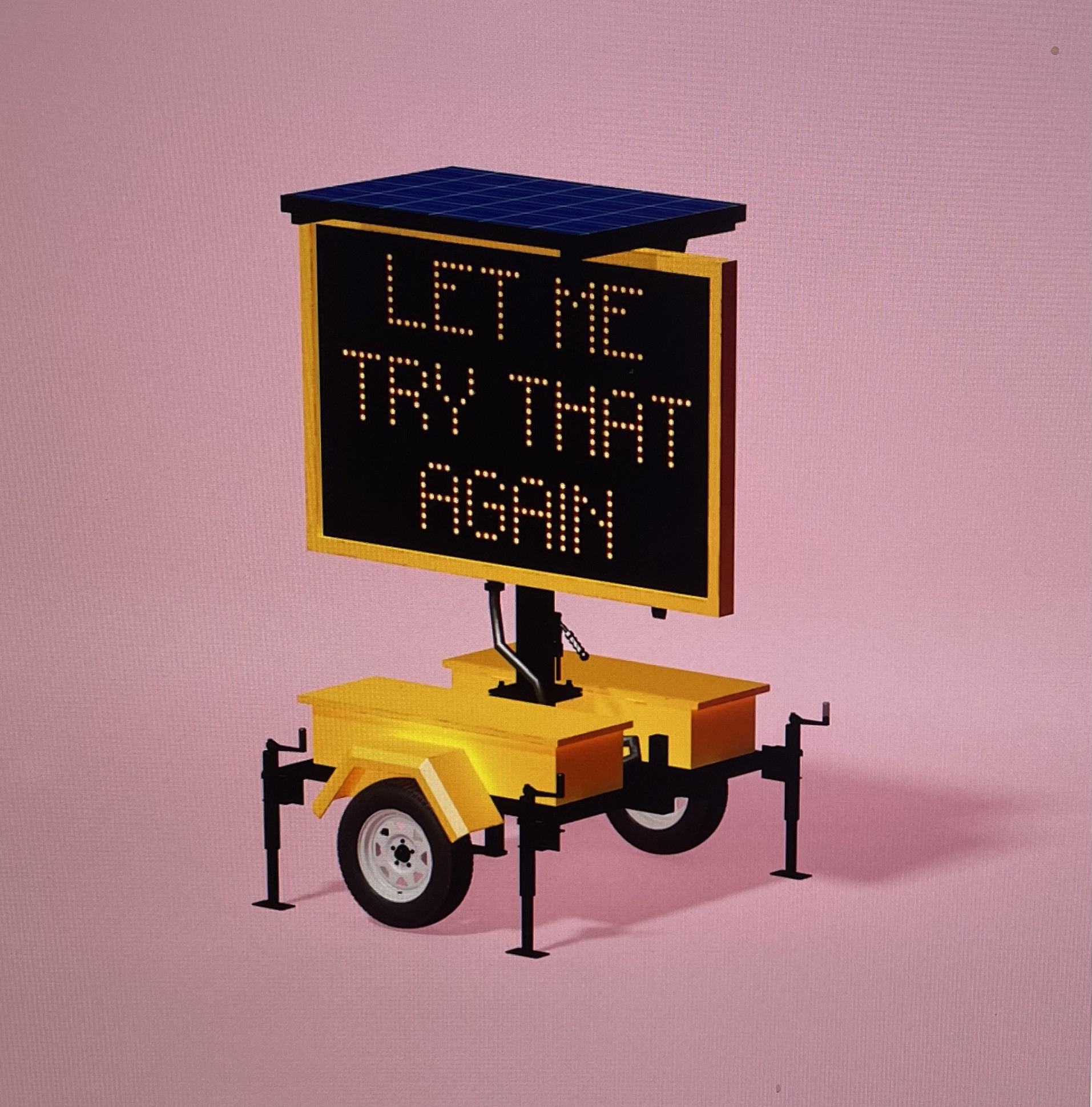
“Let Me Try That Again.” Catherine quotes Laurie Santos pointing to research from John and Julie Gottman, the renowned marriage researchers: It “suggests happy couples are good at ‘repair attempts’—any statement or action that prevents negativity from escalating.”
“ ‘My favorite is, “Let me try that again,” ’ Dr. Santos said. ‘I use it whenever I say something not right, or when something came out harsher than I wanted.’ ”
I confess to unnecessary harshness now and again. (But, geez, is it ever fun!)
“Thank You.” “Gratitude,” Catherine recounts, “is the foundation upon which many healthy relationships are built, said Terri Cole, a psychotherapist and the author of Too Much: A Guide to Breaking the Cycle of High-Functioning Codependency.”
“ ‘My husband and I thank each other for everything,’ Ms. Cole said. ‘Thanks for making the bed, thanks for unloading the dishwasher, thanks for unloading the laundry.’ ”
Catherine notes, “The technique might feel forced, even ‘corny’ at first, she said. But expressing gratitude sends a powerful message: ‘You are appreciated.’ ”
As are you, SimanaitisSays readers. Thank you all sincerely. ds
© Dennis Simanaitis, SimanaitisSays.com, 2025
 Simanaitis Says