
Simanaitis Says
On cars, old, new and future; science & technology; vintage airplanes, computer flight simulation of them; Sherlockiana; our English language; travel; and other stuff
SEE THAT AGAIN
KATRINA MILLER WRITES IN THE NEW YORK TIMES, June 26, 2025, “The Best Illusion of the Year contest offers researchers, and participants, an opportunity to explore the gaps and limits of human perception.”

Katrina’s article also probes my own acumen of displaying these illusions here at SimanaitisSays. The full test is whether you perceive them as intended. Let’s continue.
See It Again…. “Take a look at this video of a waiting room. Do you see anything strange?,” Katrina asks.
Michael A. Cohen’s “The Changing Room Illusion” won second prize in the 2021 Best Illusion of the Year contest. Video from Best Illusion of the Year Contest/Neutral Correlate Society.
Katrina quotes Stephen Macknik, a neuroscientist at SUNY Downstate Health Sciences University in Brooklyn: “Illusions are the phenomena in which the physical reality is divorced from perception.” By studying the disconnect between perception and reality, scientists can better understand which brain regions and processes help us interpret the world around us.
With regard to the Changing Room above, Katrina says, “The illusion above highlights change blindness, the brain’s failure to notice shifts in the environment, especially when they occur gradually.”
Stephen’s spouse, Susana Martinez-Conde, is also a neuroscientist at SUNY Brooklyn and is a primary organizer of the Best Illusion of the Year Contest, voting for the latest version of which opened recently. “We are always constructing a simulation of reality,” Susana said. “We don’t have direct access to that reality. We live inside the simulation that we create.”
Aristotle’s Illusion. “We encounter illusions in many ways,” Katrina says. “Some appear in everyday life, when the observer notices that what is seen doesn’t correspond with what is known to be real. Aristotle noted one of the oldest known illusions: After gazing at a flowing stream for some time, he noticed that stationary rocks on the opposite bank appeared to be moving upstream.”
Dr. Macknik explains, “This phenomenon, known as the ‘waterfall illusion,’ or motion aftereffect, occurs when neurons in the viewer’s brain adapt to the sense of motion in one direction, which biases perception of motion in the opposite direction.”
Intentional Creation. “Other illusions,” Katrina recounts, “are created intentionally. The blue rows in this image [below], which appear to slant, are a variant of an older illusion discovered on the wall of a cafe in the 1970s. The illusion, which won second prize in the contest in 2017, illustrates how certain shapes can distort the appearance of others while electrical signals in the brain interfere with each other.”
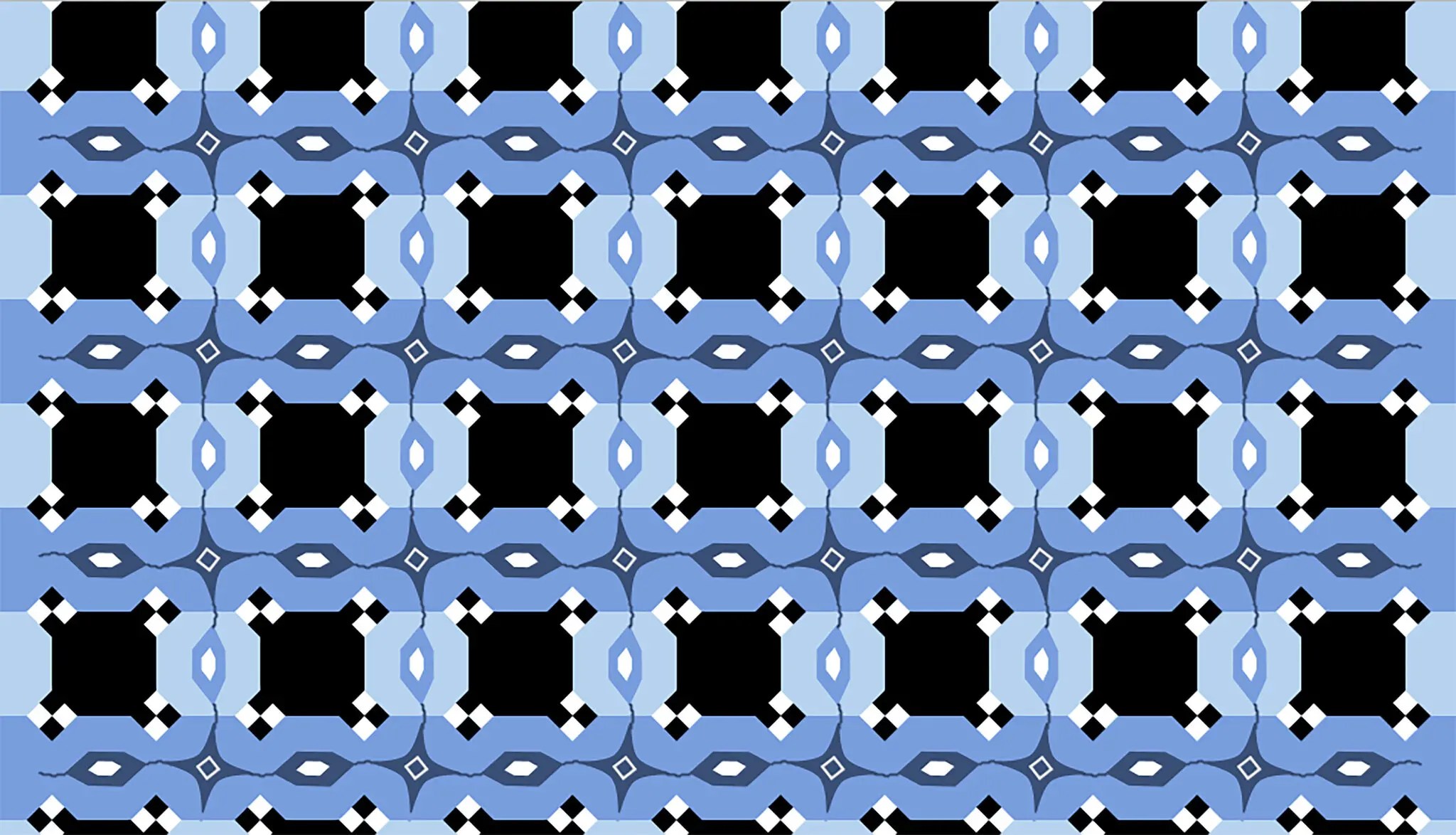
Victoria Skye’s “Skye Blue Café Illusion.” Image by Victoria Skye/Best Illusion of the Year Contest/Neural Correlate Society.
This one works wonderfully for me. I am firmly convinced of the blue lines’ slants. It’s only when I scan the image up or down to the limits of the screen does my mind tell me otherwise.
Peripheral Drift. Katrina describes, “This image [below] of a star, a finalist in the 2012 contest, is a revamp of prior illusions showing peripheral drift, in which something static appears to move. Peripheral drift happens when your eyes blink or involuntarily shift while viewing an image with a distinct color pattern, but stops when you fix your gaze on a single point.”
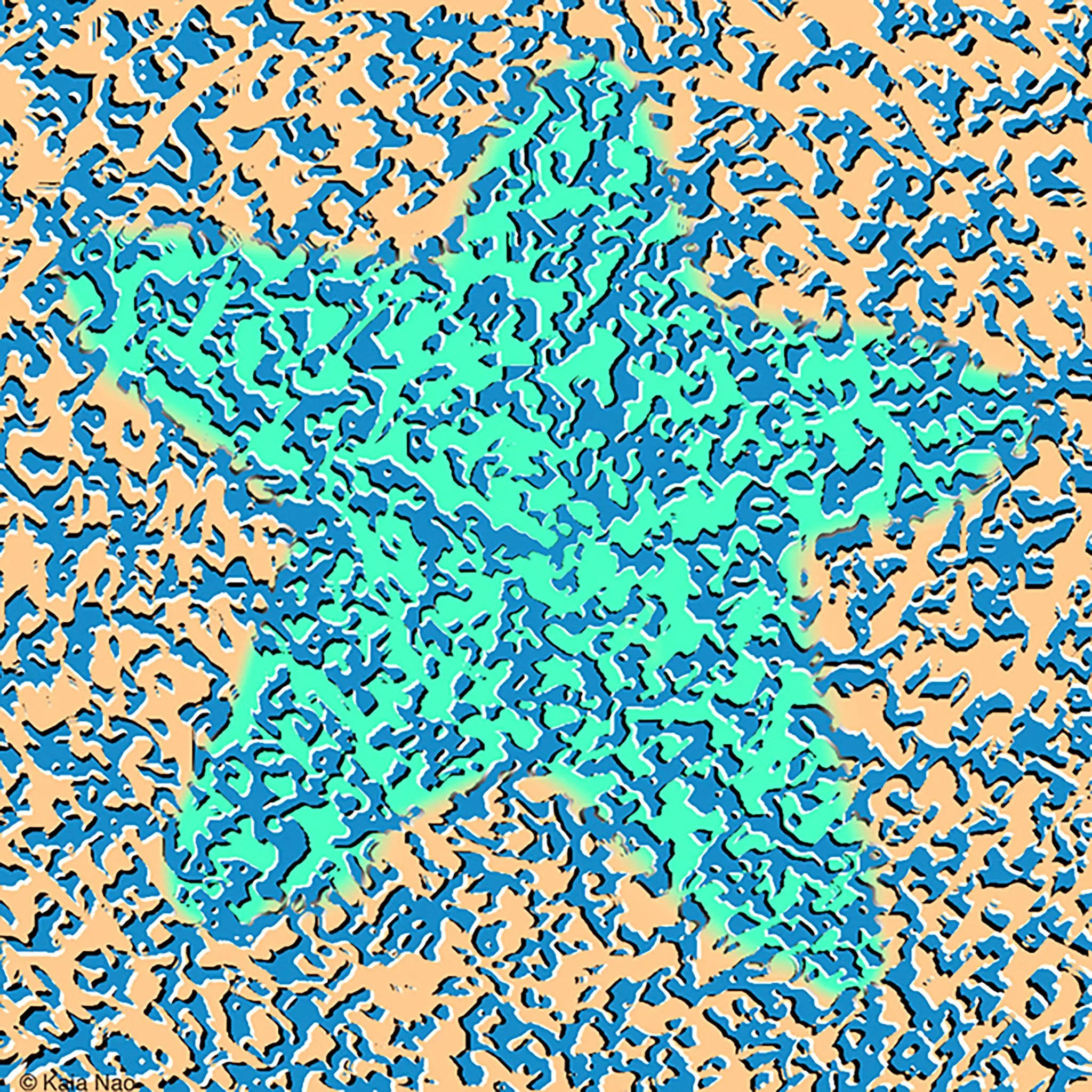
Kaia Nao’s “Floating Star Illusion.” Image from Best Illusion of the Year Contest/Neural Correlate Society.
Curiously, this one evades my twistable reality.
Cracks in the Plaster. Dr. Macknik, Katrina notes, “described perception as a bag of tricks that our brains, which have evolved to work quickly, utilize to navigate the world efficiently. But that approach to perception has limits, and illusions are the evidence. They are ‘cracks of the plaster’ of the universe that our brains construct for us.”
My Fav. Miller says, “Fake mirrors, like the one below, reveal that our brains, too, make use of Occam’s Razor.”
Matt Pritchard’s “The Real Thing? Illusion” was second prize in the 2020 Best Illusion of the Year Contest. Video by Matt Pritchard/Best Illusion of the Year Contest/Neural Correlate Society.
A Lunar Test. Katrina, who earned a Ph.D. in physics from the University of Chicago, says, “Illusions persist even in space, as in this image of lunar craters that to some viewers may instead look like bumps. Dr. Martinez-Conde saw craters initially but later saw bumps. Dr. Macknik only ever saw the craters. ‘What illusion?’ he said.”
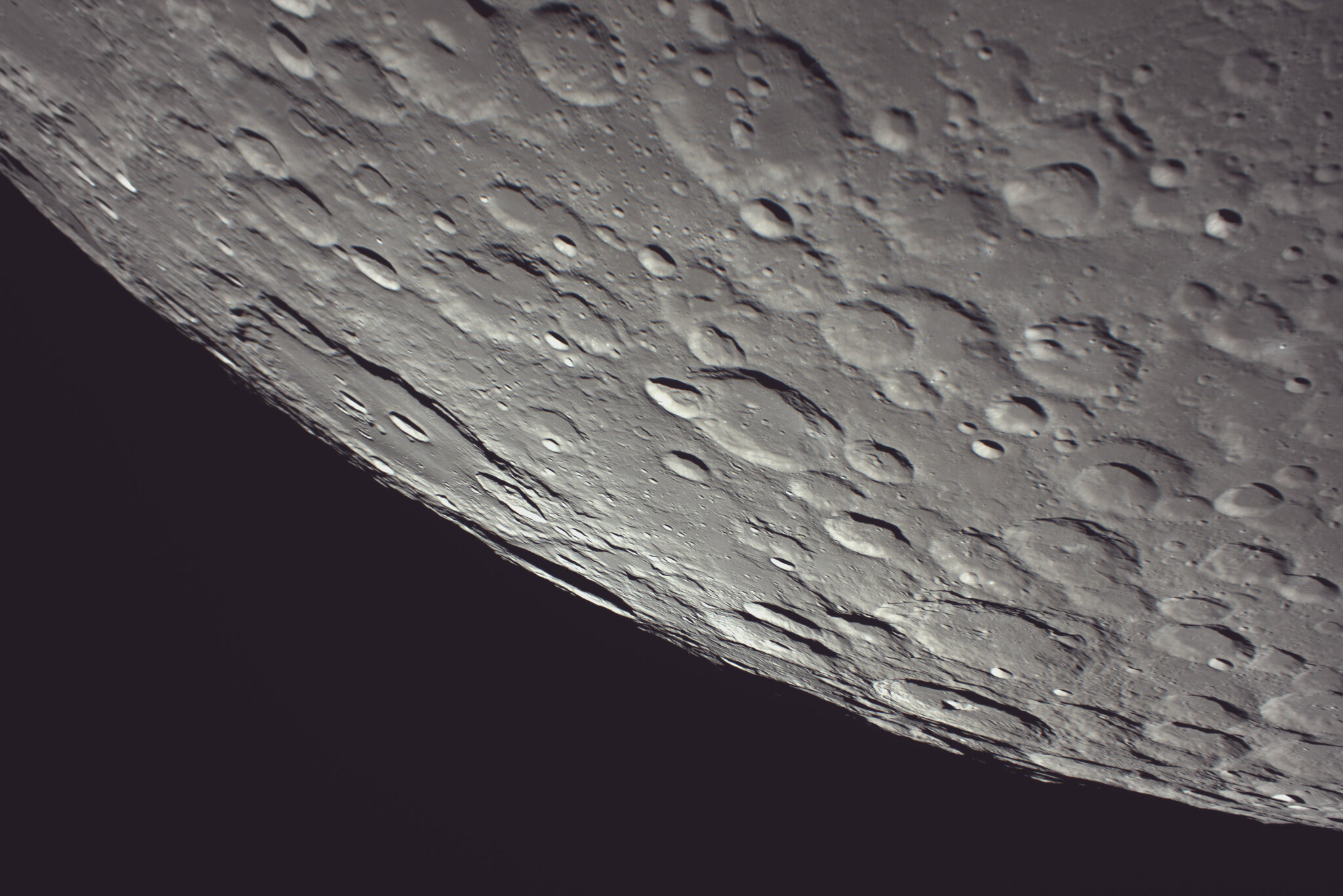
I know which I see. How about you? Thanks for these, Drs. Katrina, Stephen, and Susana. ds
© Dennis Simanaitis, SimanaitisSays.com, 2025
 Simanaitis Says