
Simanaitis Says
On cars, old, new and future; science & technology; vintage airplanes, computer flight simulation of them; Sherlockiana; our English language; travel; and other stuff
THE MATH BRAIN AND A.I.—NOT EXACTLY FRIENDS
PARADOXICALLY ENOUGH, AFTER MY READING Dr. Leif Weatherby’s Guest Essay “A.I. Killed the Math Brain,” in The New York Times, June 2, 2025, what came to mind was ventriloquist Edgar Bergen’s slow-witted pal Mortimer Snerd.
It was Mortimer Snerd who said to Bergen, “I can read numbers but not letters.” That is, he always knew the distances but not the destinations once he got there.

Image by Eric Carter for The New York Times, accompanied “A.I. Hallucinations on the Rise.”
Numeracy Versus Literacy. Dr. Weatherby is Director of the Digital Humanities and Associate Professor of German at New York University, and in his Guest Essay he writes, “A.I. is just as much a challenge to numeracy—our knowledge and ability to use mathematics and reason quantitatively—as it is to literacy.”
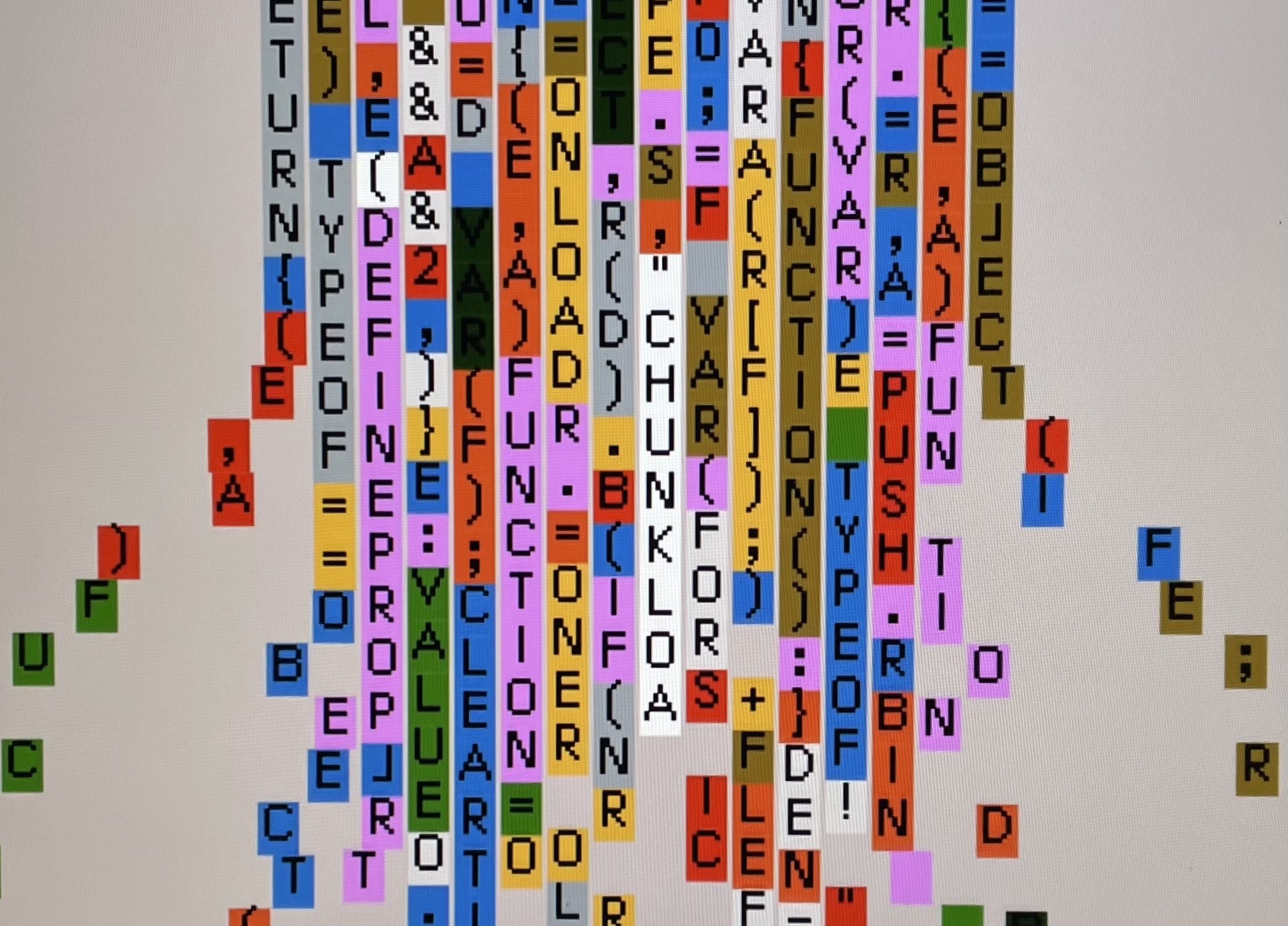
Image by Talia Cotton for The New York Times, June 2, 2025.
Vibecoding and its Tradeoffs. Weatherby recounts, “In February, the A.I. engineer Andrej Karpathy reported on X that he was engaged in a new form of software development he called “vibecoding.” Using nothing more than a series of spoken prompts to a chatbot, he was conducting ad hoc experiments on data and said he would ‘barely even touch the keyboard.’ He said this allowed him to ‘forget that the code even exists,’ leaving the grunt work to the A.I. and simply directing from above. Mr. Karpathy’s post went viral, and many others acknowledged they were doing the same.”
“By some accounts, though,” Weatherby continues, “vibecoding isn’t going well. The code that Mr. Karpathy’s prompts create has been reported to be inefficient and riddled with irreversible errors. Worse, programmers using the method say they’ve found themselves not merely forgetting that code exists but forgetting how to code.”
“As is the case with reading and writing a language,” Weatherby notes, “code is one of those things where if you don’t use it, you lose it. Early studies indicate that humans who use A.I. could become less creative over time.”
And, of course, given A.I.’s occasional propensity for hallucinations, I’ve already suggested a new parlor game. (Ha. Ask the chatbot what a parlor is.)

Image by Pablo DelCan from The New York Times, May 1, 2023.
The Academic Pipeline Dwindles. Weatherby observes, “Computer science has consistently been one of the top majors in the United States for the last decade. But with the ability to task A.I. to code, startups and tech giants alike are hiring fewer and fewer entry-level computer scientists. Reports suggest that at major A.I. companies, the hiring rate for software engineering jobs have fallen over the course of 2024 from a high of about 3,000 per month to near zero. If enrollments in computer science degrees dry up as jobs disappear, the whole pipeline from education to employment could crash.”
What’s more, the Trump administration’s views on science and educations are hardly encouraging.
Worse Than Mortimer Snerd’s Predicament. Weatherby posits, “The worry is that we, as a society, will become innumerate, not just illiterate. A.I. appears to be exacerbating an alarming trend in which our basic education is failing our young citizens. And that crisis is aimed at the most basic elements of that education: reading, writing and arithmetic.”
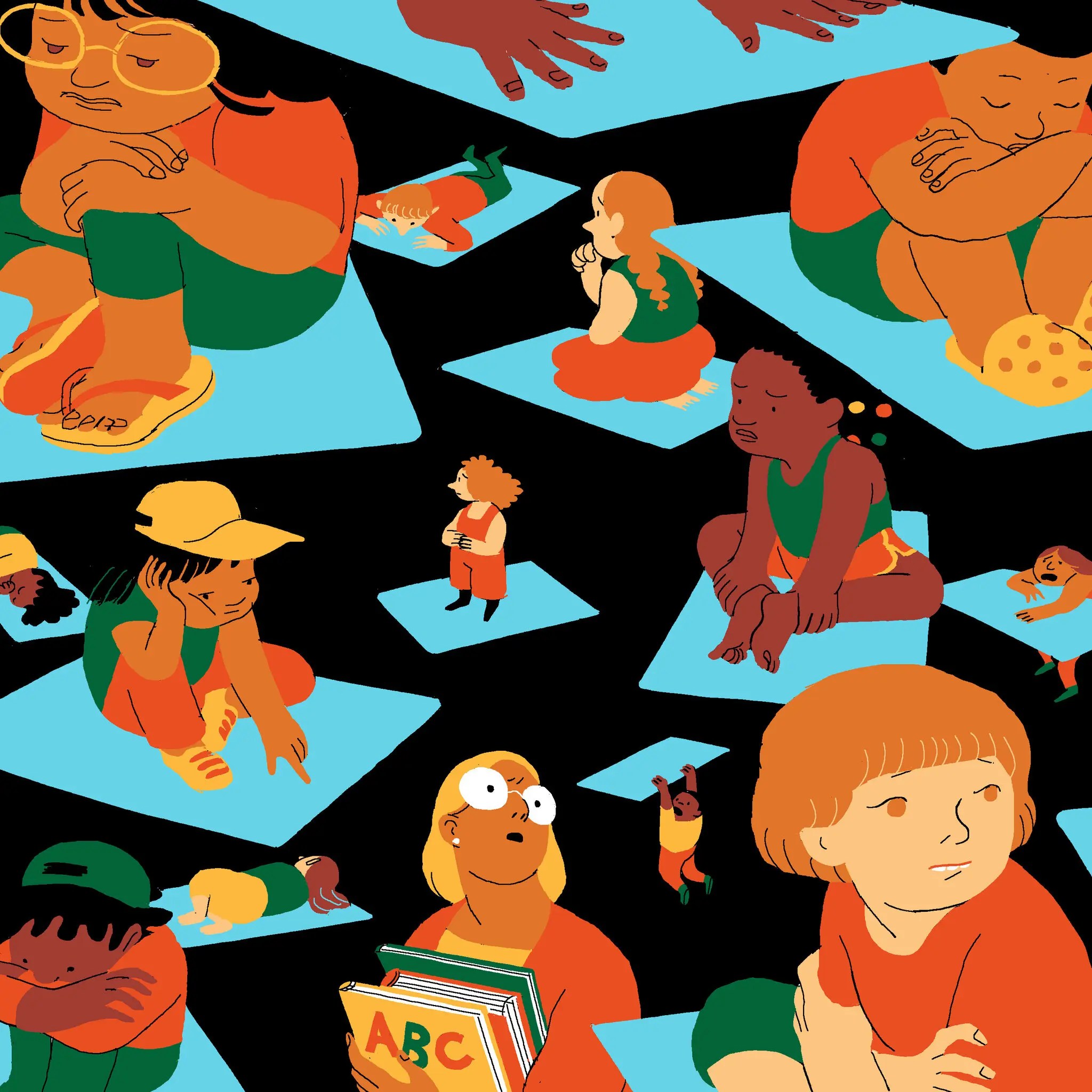
This image by Eleanor Davis accompanied Jessica Grose’s “A.I. Will Destroy Critical Thinking in K-12, The New York Times, May 14, 2025.
Dr. Weatherby’s Advice. “My advice to young students today,” he says, “is to study language and mathematics. When you talk to a chatbot, you’re using everyday language to talk to a mathematical system that, in turn, talks back to you. Technical skills won’t be enough to deal with the unpredictable results in markets, so a broad-based knowledge of math and language will be the only way to adapt. And while jobs might disappear in one sector, we will always need humans who can make sense of A.I.”
Or, I note, identify its occasional nonsense.
How Does A.I. Work? Weatherby recounts, “The head of Anthropic, which runs the ChatGPT competitor Claude, recently admitted that we have ‘no idea’ how A.I. works. He didn’t mean that engineers don’t know how to code up a large language model. He meant that we don’t yet understand how these systems interact with meaning.” “Why is a chatbot able to use language?” Weatherby asks. “What does that ability imply about the mathematical processes that underlie it? Deep questions like these require humans to answer them. To understand our own culture in the age of A.I., we will need high-level math classes and deep study of literature and linguistics. It might be that the crucial insight a student needs will come from a course on Don Quixote—as quixotic as that may sound.”
Indeed, I imagine the addled don’s windmills occasionally knocking truth outta the paddock. ds
© Dennis Simanaitis, SimanaitisSays.com, 2025
 Simanaitis Says
Arguably, humans are already more innumerate than illiterate, although, frankly, our numeracy and literacy both appear to be at record lows. And continuously declining.