
Simanaitis Says
On cars, old, new and future; science & technology; vintage airplanes, computer flight simulation of them; Sherlockiana; our English language; travel; and other stuff
“MISTER RADIO’S” CRIME CLASSICS
ELLIOTT LEWIS WAS AN EXTREMELY PROLIFIC actor, writer, producer, and director on radio and television. During the Golden Age of Radio (roughly, the 1930s through the 1950s), his versatility earned him the moniker “Mister Radio.” He’s known today on SiriusXM “Radio Classics” in acting roles ranging from Burns and Allen’s bitter Harvard-educated soundman to adventurer Phillip Carney on Voyages of the Scarlet Queen, from one of many Nero Wolfe sidekicks Archie Goodwin to The Phil Harris/Alice Fay Show’s sardonic heavy-drinking left-hand-guitar-playing pal Frankie Remley. (Complexly enough, this last role evolved from a real Frank Remley’s presence on The Jack Benny Show; eventually, moniker hassles resulted in the character’s name being changed to Lewis’s own).
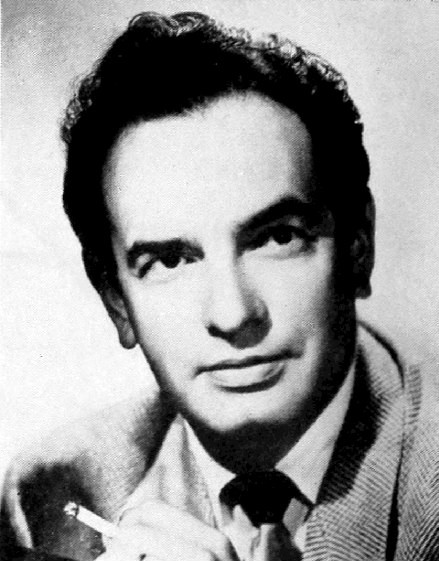
Elliott Bruce Lewis, 1917–1990, American actor, writer, producer, and director, known for his ability to excel across genres. Wikipedia notes, “He found acting, except for comedy, dull, and he preferred to write and to direct. He disliked hearing his own voice.” Image from Wikipedia.
Glass-Disc Transcriptions. Wikipedia also notes, “During World War II, Lewis was a master sergeant who produced 120 shows for Armed Forces Radio Network. Much of his work involved recording programs from commercial networks and editing them before they were broadcast to military personnel. Lewis said, ‘We would take them off the air, take out anything that dated them or was commercial or censorable, reassemble them, and ship them.’”
Pre-tape recording, this involved working with transcriptions on particularly fragile glass discs. I suspect for more reasons than this, Wikipedia notes, “Lewis received the Legion of Merit citation for his service. He left the Army on February 1, 1946, following three and a half years of service.”
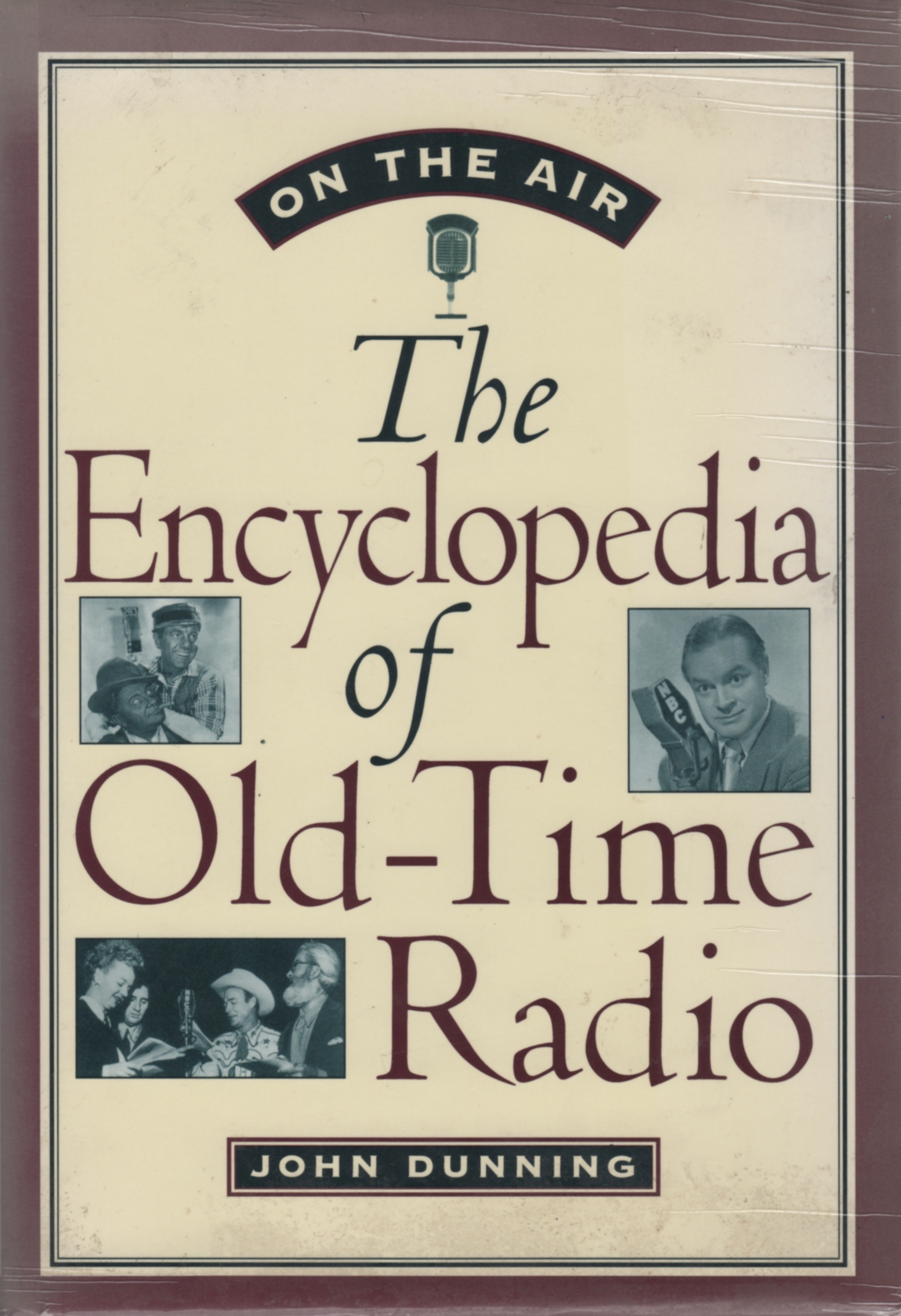
“Crime Classics.” In his On The Air: The Encyclopedia of Old-Time Radio, John Dunning recounts, “Crime Classics grew out of a long-standing and deep interest of actor-director Elliott Lewis in history’s great murder cases. Lewis had compiled an extensive library of true crime cases, often primary source material dating from the 17th century. He decided to re-create not only the facts of the crimes but also the times in which they occurred.”
Dunning continues, “Writers Morton Fine and David Friedkin would dramatize lightly. With Lewis, they would comb through the original periodicals, seldom rewriting but making ‘verbal revisions’” as they went…. They took literary license, staying with the facts while creating a humorous edge to the narrative. It wasn’t enough to make light of murder, said Radio Life: ‘just enough to let a breath of fresh air enter their tale-of-horror scripts.’”
Titles Set the Tone: “Your Loving Son, Nero.” “The Younger Brothers—Why Some of Them Grew No Older.” “John Hayes, His Head, and How They Were Parted.”
Bernard Herrmann Music Enhanced It. Wikipedia recounts, “An Academy Award-winner for The Devil and Daniel Webster (1941), Herrmann worked in radio drama, composing for Orson Welles’s The Mercury Theater on the Air, and his first film score was for Welles’s film debut, Citizen Kane (1941).”
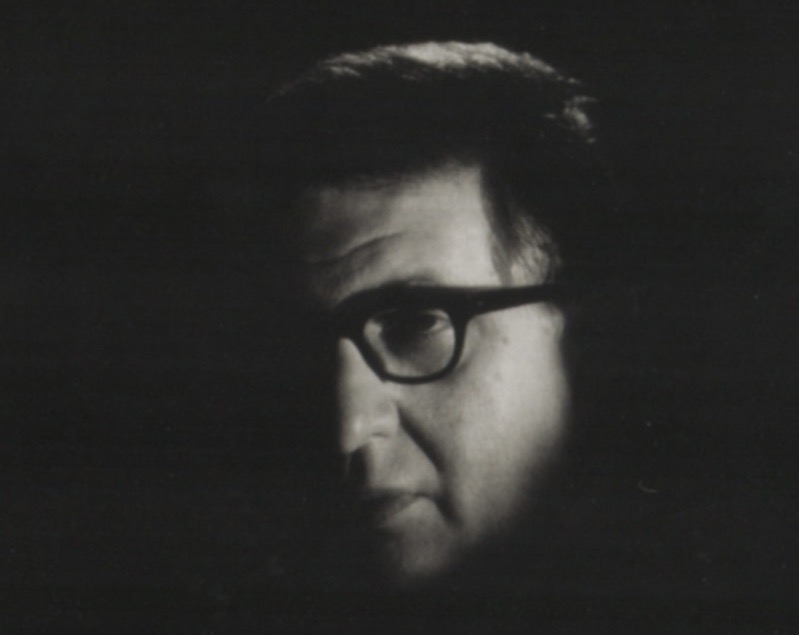
Bernard Herrmann, American composer and conductor. Image from The Top 100 Radio Classics.
Not long after Hermann composed the film score for The Day the Earth Stood Still (1951), he began providing the music for Crime Classics. Carl Amari and Martin Grams Jr. write in The Top 100 Classic Radio Shows, “The highlight of Crime Classics was the music, which was composed and conducted by the legendary Bernard Herrmann. Using very few instruments, he managed to capture the mood for the different historical settings. In one episode only strings were played; another used only wind instruments.”

Too Much Lincoln?? John Dunning writes, “The series at one point ran back-to-back with another exceptional Lewis anthology On Stage. On Dec. 9, 1953 [Wikipedia says December 2], Lewis gave in to the inevitable urge to link them by offering The Assassination of Abraham Lincoln on Crime Classics and the play that Lincoln was watching at Ford’s Theater, Our American Cousin, on On Stage.”
“This,” Dunning recounts, “was a mistake, Lewis admitted years later: Our American Cousin was dull beyond salvation, and it earned him the only rebuke he ever received from CBS chief William Paley. The next morning there was a note on his desk. It said: ‘interesting idea. Don’t do it again.’ ”
Opps. A Crime Classic: “The President and an Incredibly Dull Play.” ds
© Dennis Simanaitis, SimanaitisSays.com, 2025
 Simanaitis Says