
Simanaitis Says
On cars, old, new and future; science & technology; vintage airplanes, computer flight simulation of them; Sherlockiana; our English language; travel; and other stuff
TRUMP AND SCIENCE/TECH PART 1
PERHAPS YOU’VE NOTICED, SCI-TECH IS ONE OF THE eight categories of SimanaitisSays. The others: Classic (largely focused on old R&Ts), Trippin’ (my Baedekers and personal travel), Editor (language and word play), Vintage Aero, and Flight Sim (my GMax hobby using Microsoft FS9), Afoot (Holmes and other sleuths), and Furthermore (a catchall of Old Radio, Old Movies, Opera, Art and Architecture, and History, Culture, and Politics).
As you might guess, I’ll never run out of things to write about.
Significant Overlap. What with Trump’s campaign promises, subsequent election, and formation of a second administration, there’s significant overlap of Sci-Tech and Furthermore/Politics. Based on Trump’s “stable genius” shooting from the hip sans coherence, one never knows which campaign promises are genuine aspirations and which are simply “weaving.”
In any event, Science magazine, published by the American Association for the Advancement of Science, has been offering news on this matter. Here, in Parts 1 and 2 today and tomorrow, are tidbits gleaned from recent insights; see also “Putting Science in Perspective.”
“No Good News For Science.” This ominous phrase sums up Jeffery Mervis’s article in Science, November 15, 2024. Mervis writes, “The campaign promises that propelled Republican President-elect Donald Trump to a decisive victory last week over Democratic Vice President Kamala Harris, including huge tax cuts and tough anti-immigration measures, threaten collateral damage to the U.S. research enterprise, science advocates say. They foresee less money for basic research and a restricted flow of foreign scientists into the country. They also expect the new administration to ignore the scientific consensus on numerous topics, including climate change and public health.”
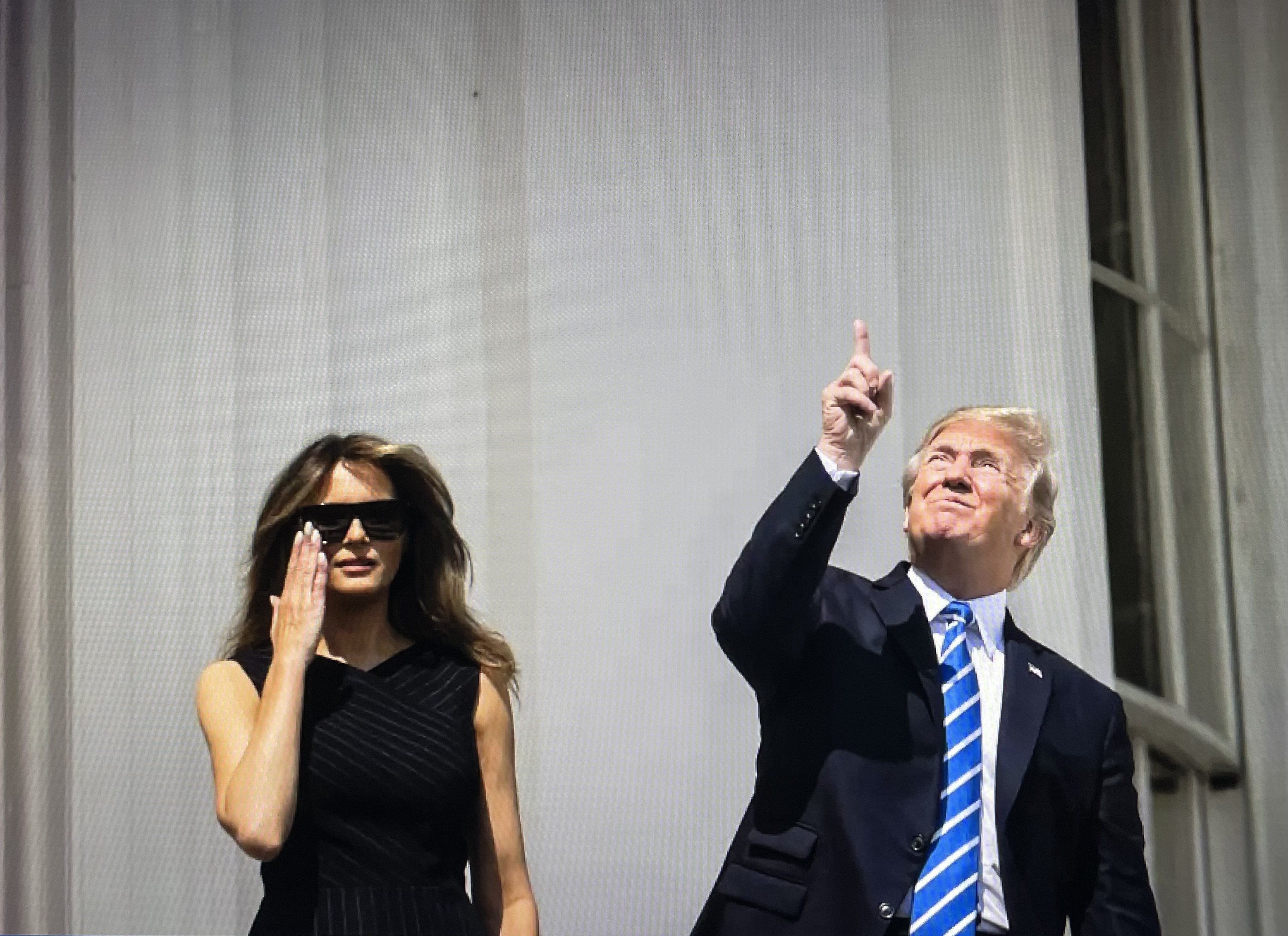
Universities: “Hotbeds of Radicalism?” “Higher education lobbyists,” Mervis reports, “are dismayed at the likely new chair of the Senate commerce and science committee: Senator Ted Cruz (R–TX). Cruz, who easily won reelection last week, has declared war on initiatives to increase the diversity of the scientific workforce. In a recent report he criticized many NSF grants promoting diversity and inclusion, adding fuel to Republican claims, led by Vice President–elect JD Vance, that universities are hotbeds of radicalism and out of step with U.S. values.”
God help us all if Nobel Prize winners are displaced by those griping about DEI.
CHIPS and Science Act. Mervis offers other examples: “Biden’s landmark 2022 legislation to restore the sagging U.S. semiconductor industry also contains a pledge to double NSF’s budget in 5 years. Although the bill enjoyed bipartisan Senate support, House Republicans objected to provisions on environmental justice, renewable energy, and broadening participation in science.”
“On the campaign trail,” Mervis recounts, “House Speaker Mike Johnson (R–LA) said he wanted to repeal the law. Later he said he means only to prune objectionable provisions. [His “weaving?”] But science advocates are worried the new Congress could weaken the bill while ignoring the promise of more funding for NSF.”
Climate Change. Mervis warns, “This year is very likely to be the warmest in history. But climate activists expect Trump to reprise his first-term policies on climate change, which minimize the threat. That includes downplaying the economic cost of global warming, which helps justify all manner of federal regulations. Previous moves to minimize the benefits of regulating greenhouse emissions have faced court challenges.”
Image from digital4planet.org.
Mervis writes, “Trump has vowed to again drop out of the nonbinding Paris climate pact, as he did in his first term, which would remove the country from an obligation to report its greenhouse gas emissions and targets. [Biden reversed this upon his inauguration.] He’s also promised to repeal the Inflation Reduction Act, Biden’s signature climate law, which is pouring billions of dollars into renewable energy.”
Tomorrow in Part 2, we hear from Science writer Jocelyn Kaiser as well as a “Three Qs” feature addressing these matters.
© Dennis Simanaitis, SimanaitisSays.com, 2024
 Simanaitis Says
Renewable energy is (or should be) a conservative feature, not just something for raving “libruls.” It displaces energy imports, reducing exposure to foreign influence. As long as the equipment necessary for it is buildable here, of course, which is not fully the case right now and should be encouraged *by conservatives*. Yes, I know, *true* conservatives are a dying bunch right now.
Broadening participation in science ditto. Limiting what scientific work remains to old white guys pretty much says the US will no longer be relevant to science and will no longer produce advances or innovations. As a result, the US will no longer have credible influence on what gets studied and how it’s used. Probably not a good thing if you want America to the *the Greatest*.
Frankly, if all they do is cut budgets and eliminate agencies, states could take over some funding programs at a lower, targeted level. The problem is that it’s not just loss of funding; it’s also legislation and court decisions that actively prohibit progress (and even force regression) in many areas of science, both studies and application. That’s why this is not a “conservative” administration; it’s one that’s deliberately destroying the US internally and withdrawing into isolation from the rest of the world. Putin and Xi couldn’t be happier about that in the long run.