
Simanaitis Says
On cars, old, new and future; science & technology; vintage airplanes, computer flight simulation of them; Sherlockiana; our English language; travel; and other stuff
ACRONYMS FYI PART 2
THIS CONTINUES YESTERDAY’S ACRONYMS from Sarah Anne Lloyd’s collection at the Interesting Facts website.

OU. Sarah Anne corrects my misunderstanding about this identification of a kosher food item. She explains: “This letter ‘U’ is actually inside an ‘O,’ not a circle; ‘OU’ stands for “Orthodox Union Kosher.” Some products may be marked with ‘OU-D‘ to indicate that they contain dairy or were made on equipment that handled dairy. ‘OU-P‘ tells people an item is kosher for Passover.”

My sake; !הוריי לאָזן ס אָנהייבן
PET. “You can find the letters ‘PET’ on many plastic bottles,” Sarah Anne says, “including most of the ones that hold beverages. PET is an acronym for the plastic ‘polyethylene terephthalate,’ which is part of the polyester family of polymers.”
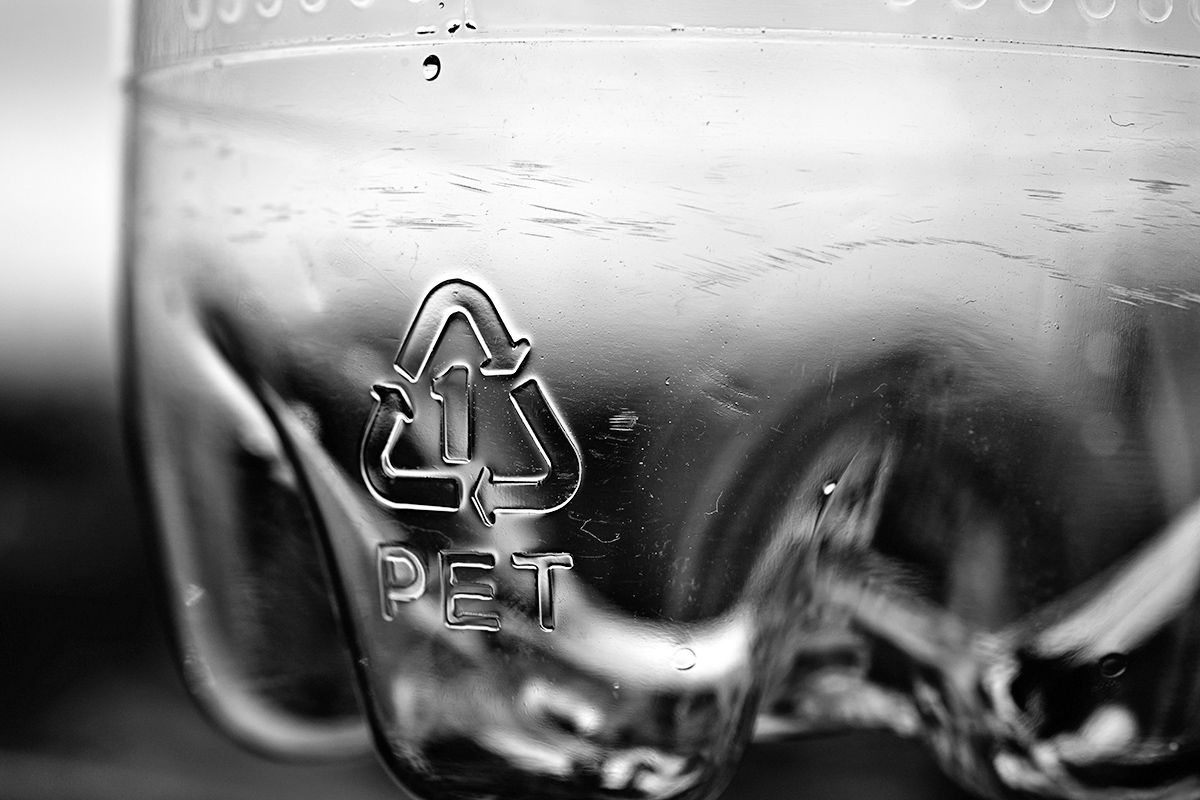
Image by Mameraman/Shutterstock via Interesting Facts.
“Above the word ‘PET’ on these bottles,” she continues, “you’ll also usually see a 1 in a triangle made up of arrows. This is a recycling code. PET bottles can successfully be recycled, so make sure to do this instead of throwing yours away.”
A flashback to the old days (and to “Radio Classics”): A familiar beer brand boasted about its glass bottles giving a better taste—and being disposable, just tossed in your ordinary trash!
USB. Sarah Anne says, “USB is such a familiar term that you may not be aware it’s an acronym for ‘universal serial bus.’ USB really did live up to the ‘universal’ part of its name. Before USB, serial ports, parallel ports, and more were used to connect external devices like keyboards, mice, and printers. USB made it possible for these different devices to hook up to computers via the same connection.”
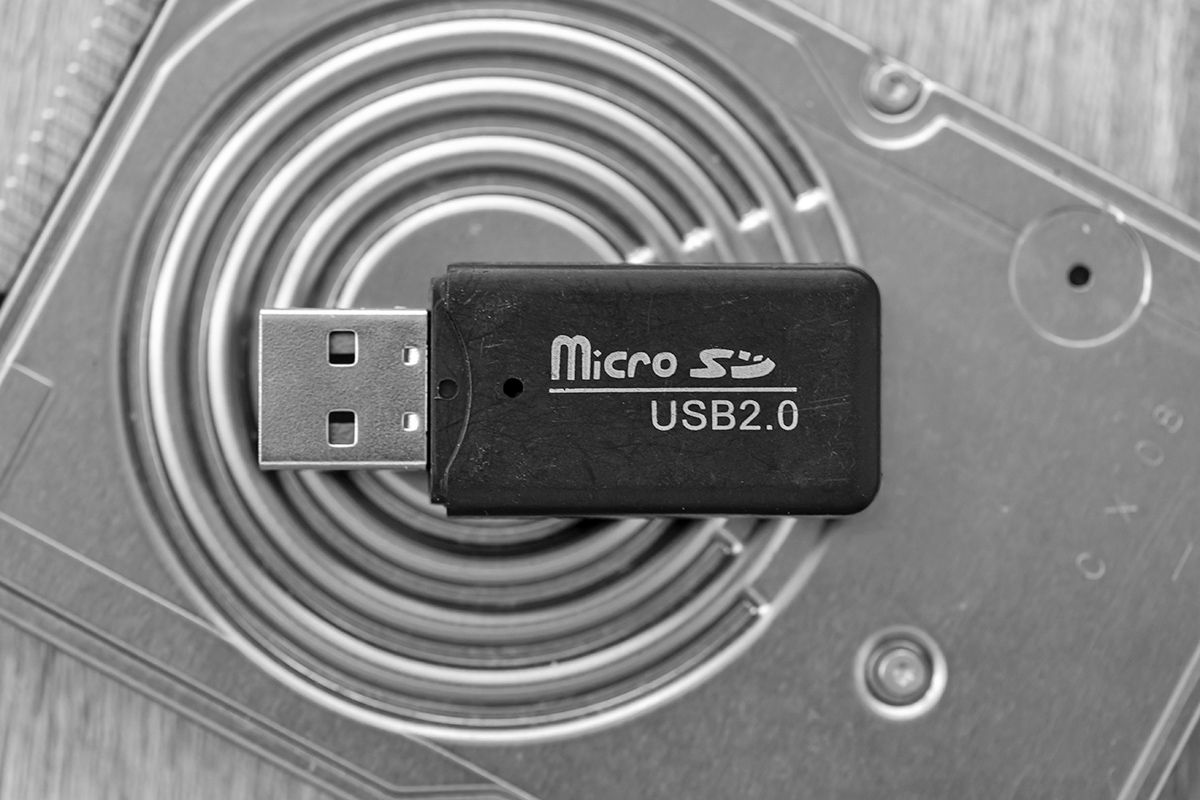
A USB thumb drive. Image by Remud Rigo/Shutterstock via Interesting Facts.
“USB is still popular today,” notes Sarah Anne, “as are USB-C ports on phones, tablets, and certain computers.”
YKK. “Zippers are part of our daily lives,” Sarah Anne describes, “whether on our jeans, coats, or bags, and as long as they work, they usually don’t receive intense scrutiny. However, a closer look at various zippers will likely reveal that many of them are inscribed with the letters ‘YKK.’ ”
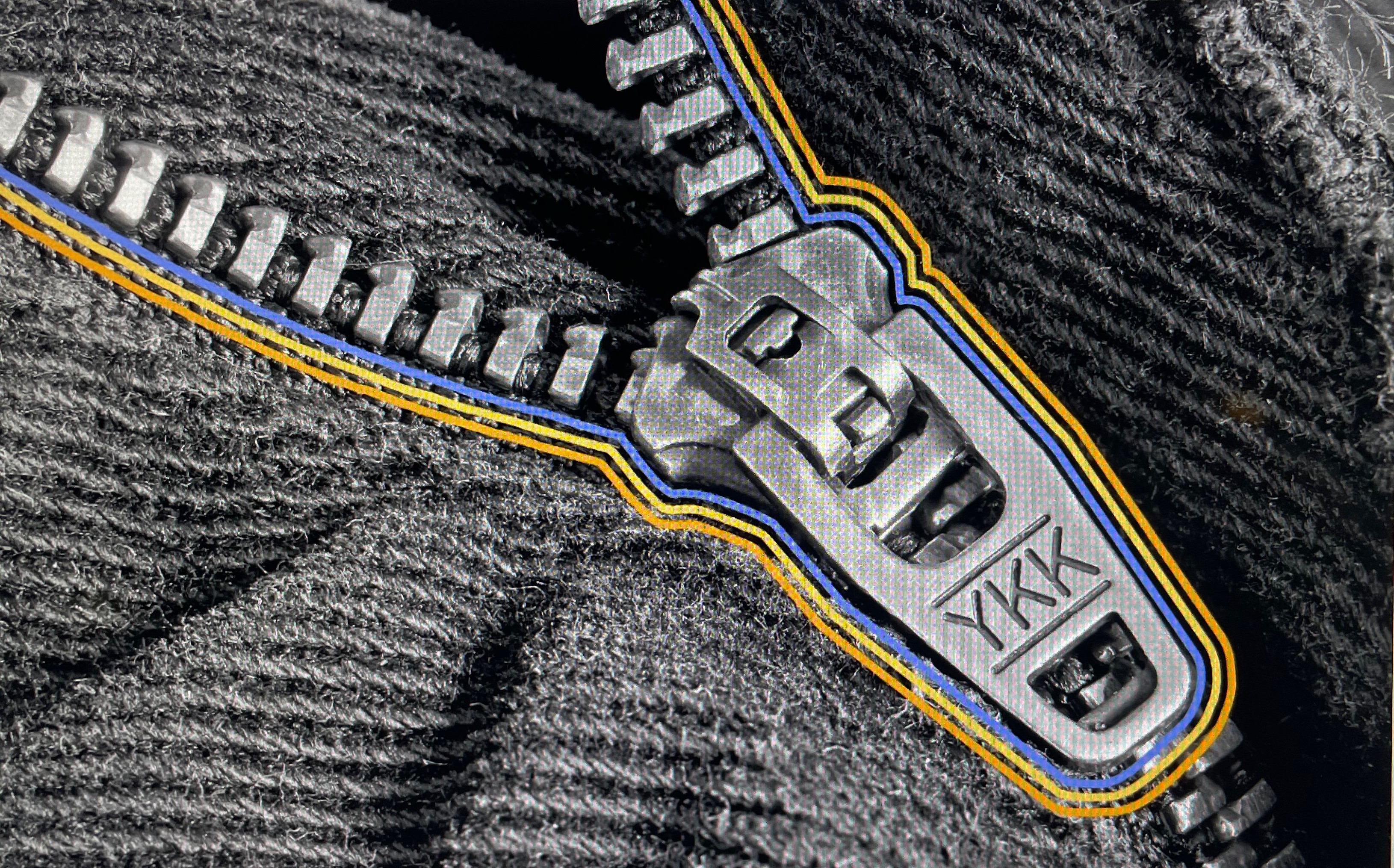
Image by Mark Collinson/Alamy Stock Photo via Interesting Facts.
Sarah Anne provides history on this: “YKK stands for ‘Yoshida Kogyo Kabushikikaisha,’ which roughly translates to ‘Yoshida Manufacturing Shareholding Company.’ This company, founded in 1934, uses its own brass, polyester, threads, and even zipper machines. By controlling so much of the process, YKK can deliver high-quality zippers. The company also sells these zippers at reasonable prices. The combination has made YKK a go-to in the garment industry—and explains why half of the world’s zippers have YKK zippers.”
I just checked what I’m wearing. They’re shorts, button-fly, and from the Republic of Mauritius, an island nation with a complex history, both old and recent. The island, about the size of Rhode Island, is in the Indian Ocean (about 1100 nautical miles off the southeastern coast of East Africa). See also, U.S. Relations with Mauritius. To the best of my research, zippers have never snagged in this country’s global interactions.
And, thanks, Sarah Anne, for encouraging my education in all this. ds
© Dennis Simanaitis, SimanaitisSays.com, 2024
 Simanaitis Says