
Simanaitis Says
On cars, old, new and future; science & technology; vintage airplanes, computer flight simulation of them; Sherlockiana; our English language; travel; and other stuff
TWO BOOKS AND A NAPIER-RAILTON
I HAVE BEEN PARTICULARLY WELL-GIFTED this past Christmas. Here are brief details.
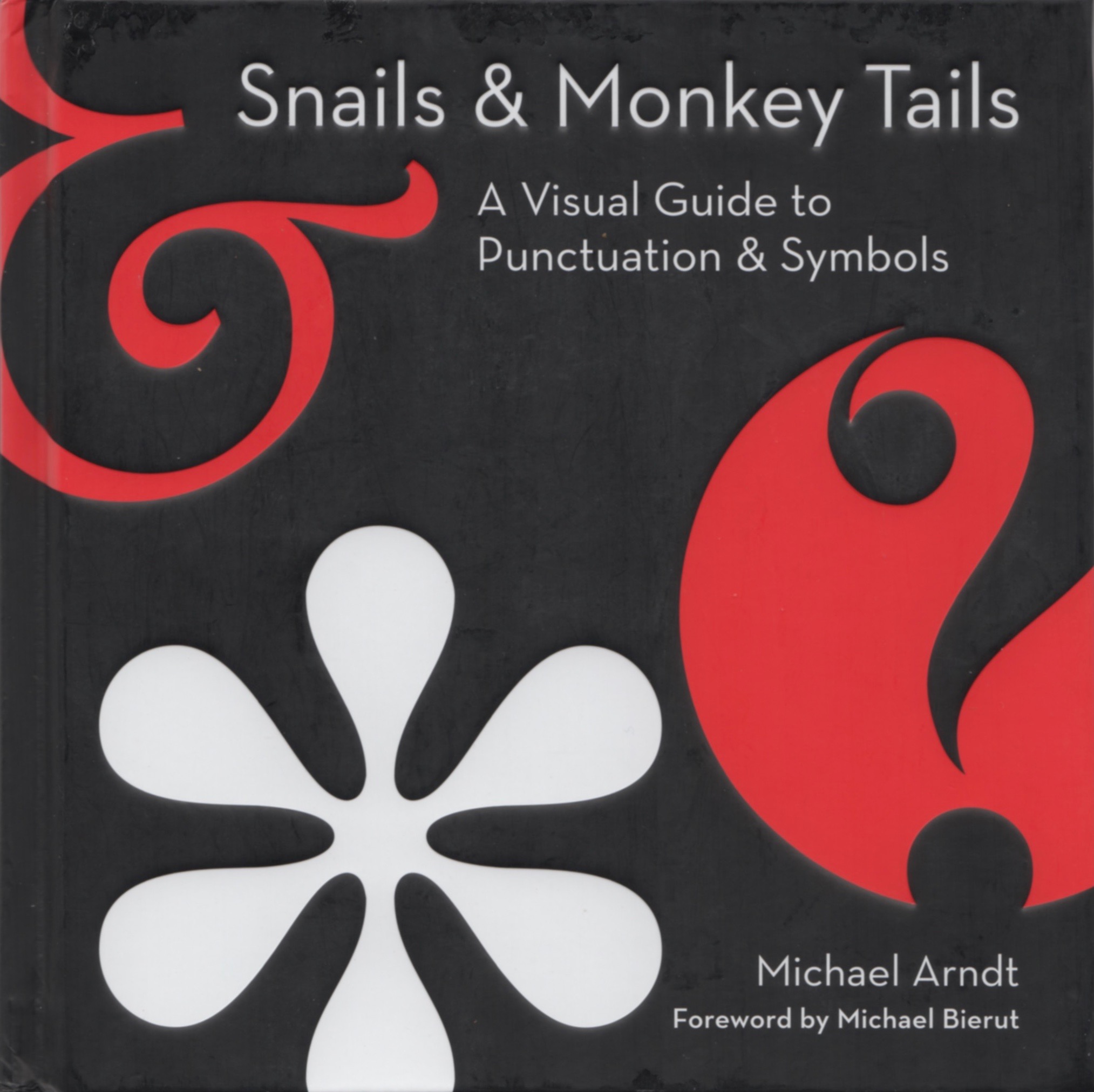
Snails & Monkey Tails: A Visual Guide to Punctuation & Symbols, by Michael Arndt, Harper Design, 2022.
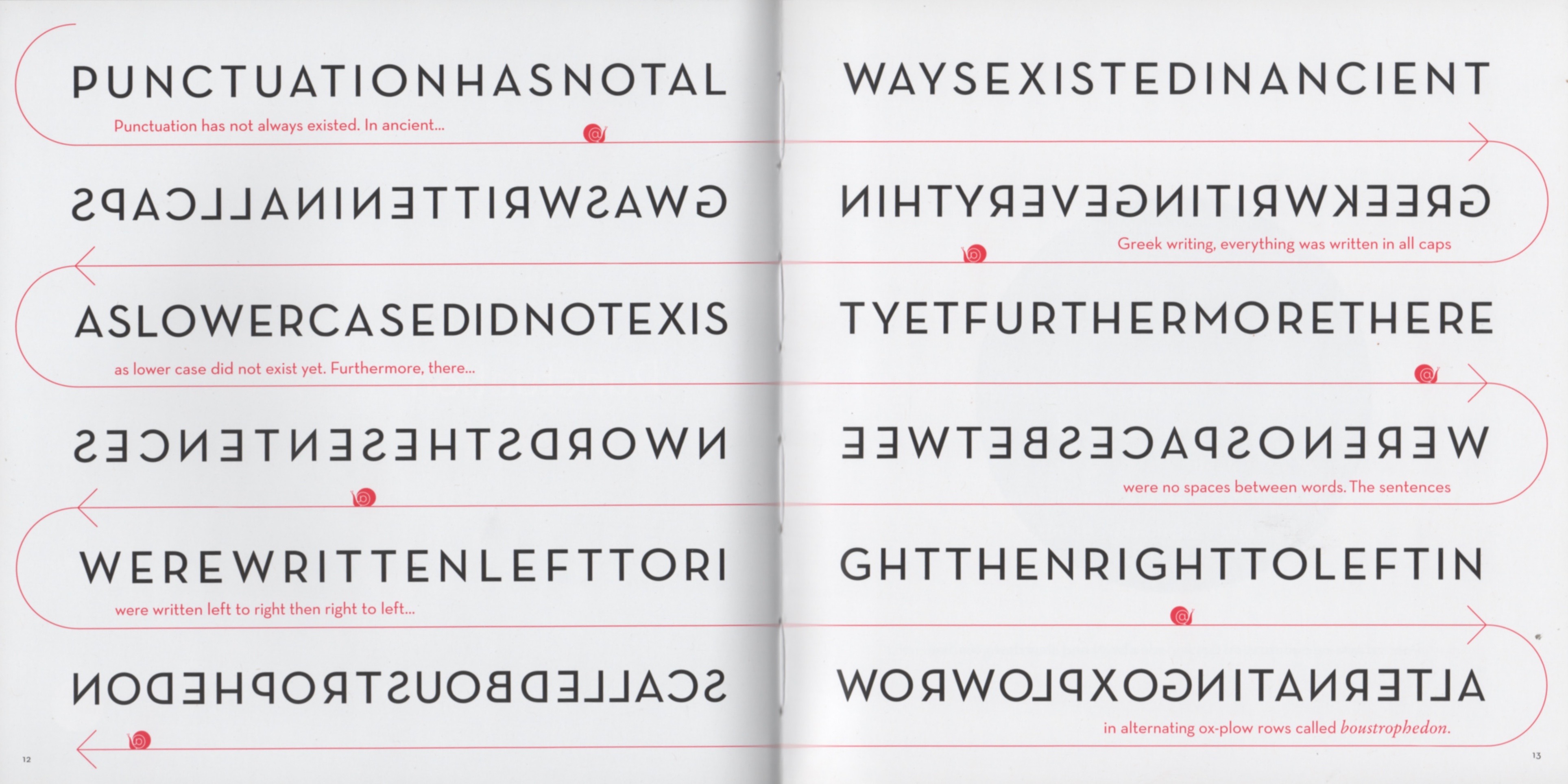
Snails & Monkeys: A Visual Guide to Punctuation & Symbols. As Michael Arndt writes, “Punctuation has not always existed. In ancient Greek writing… the sentences were written left to right then right to left in alternating ox-plow rows called boustrophedon.” This, he illustrates strikingly in pages 12 and 13 of Snails & Monkeys.
This and the following images from Snails & Monkey Tails.
The title comes from the Italian chiocciola (snail) and the German Affenschwanz (monkey tail), each the name for “@,” the symbol we call “at” and employ in computerese every day in separating user from domain.
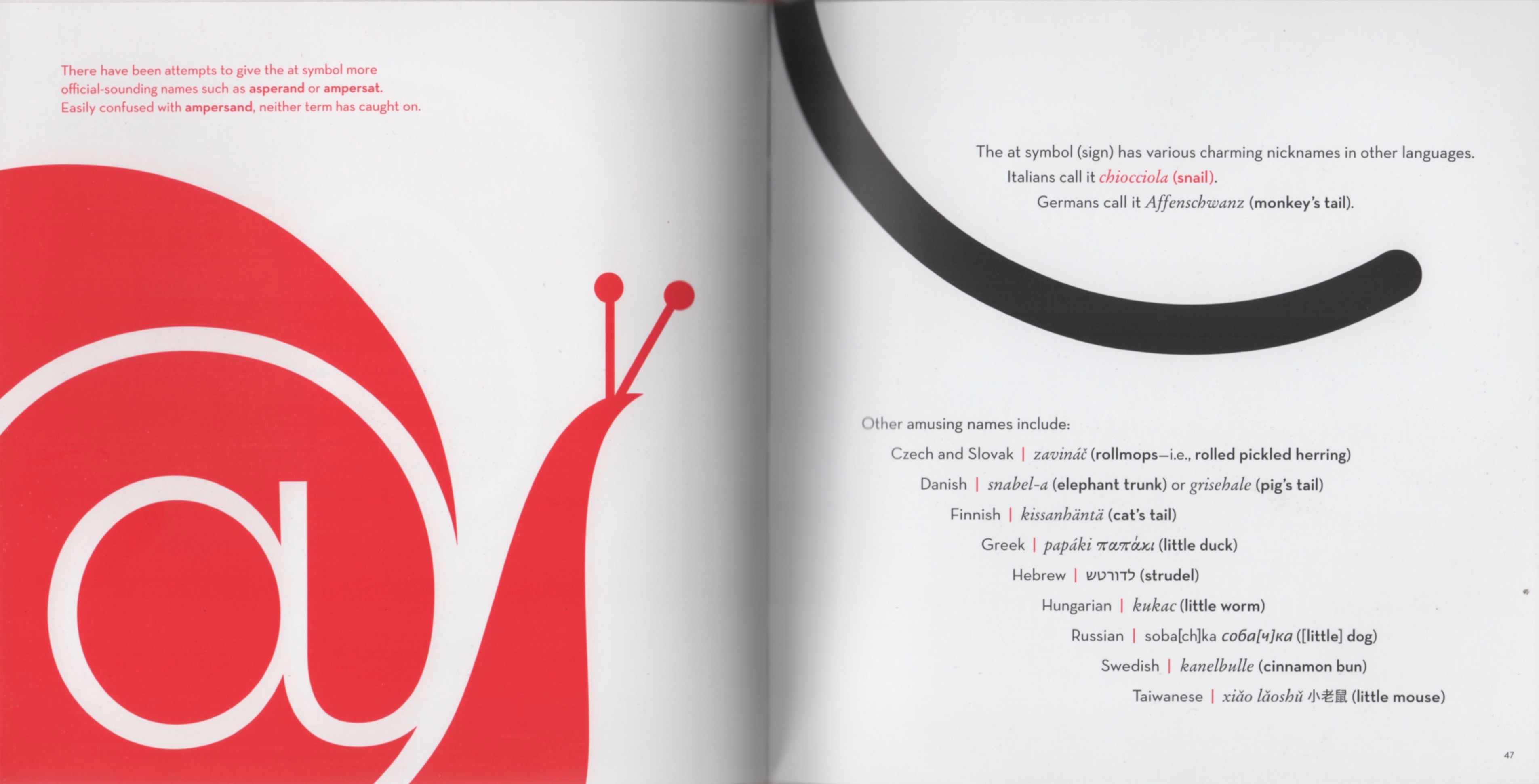
By the way, the ampersand “&” is well known to R&T readers beginning in March 1954. Arndt offers interesting tidbits about this symbol as well, as shown here:
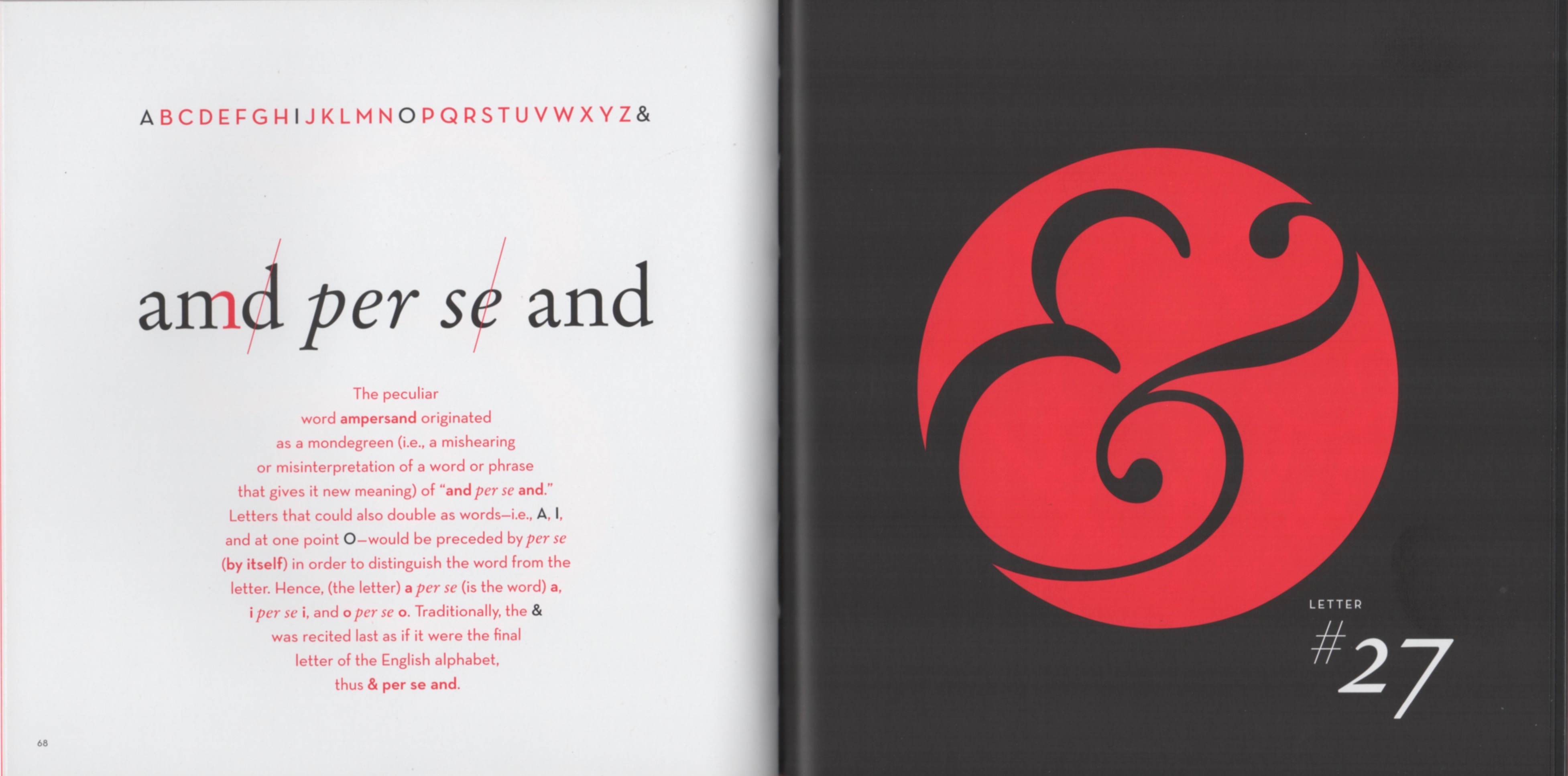
See also this about “mondegreen.”
Another in the Genre. Indeed, Keith Houston’s Shady Characters: The Secret Life of Punctuation, Symbols & Other Typographical Marks is another favorite in the genre. It has appeared several times here at SimanaitisSays.
What sets Arndt’s book apart is his evident enthusiasm for graphic arts. Also, he addresses usage more, whereas Houston discusses historical aspects. And each book makes for entertaining reading and illumination.
Opera: The Autobiography of the Western World. What a novel idea: Western history as exemplified through opera. “By exploring a bewitchingly beautiful art form,” IndieBound writes, “it chronicles a sequence of extraordinary transformations: the political, religious and social revolutions that created the modern West.”

Opera: The Autobiography of the Western World, by Simon Banks, Troubador Publishing, 2022.
Simon Banks’ subtitle: “The modern West’s journey from theocratic absolutism to liberal democracy, told in four centuries of music drama.”
At first Banks set out to see opera as “an interesting, picturesque romp through 3000 years of history.” However, he notes, “A much more exciting story jumped out at me. It wasn’t about 3000 years of history. It was about the final 400 years, the years when the operas were created: the four centuries when the western world shook off many of the hierarchical structures of the past, and made a giant leap towards democracy and human rights.”
His essays are assembled in three parts: New answers to timeless questions. The modern West breaks free from the Middle Ages. From despotism to pluralism.
I peeked to see how chapters develop: In “How Can Humanity Contact God?” Banks looks at three contrasting operas: Handel’s Israel in Egypt, 1739; Rossini’s Moses and Pharaoh, 1827; and Schoenberg’s Moses and Aron, 1932.
In the final chapter “Hearing Ourselves in History,” three John Adams works “return opera to major political events”: Doctor Atomic, 2005; Nixon in China, 1987; and The Death of Klinghoffer, 1991.
By the way, it’s noted that this is the “Illustrated Edition,” with more than five dense pages of Picture Credits.

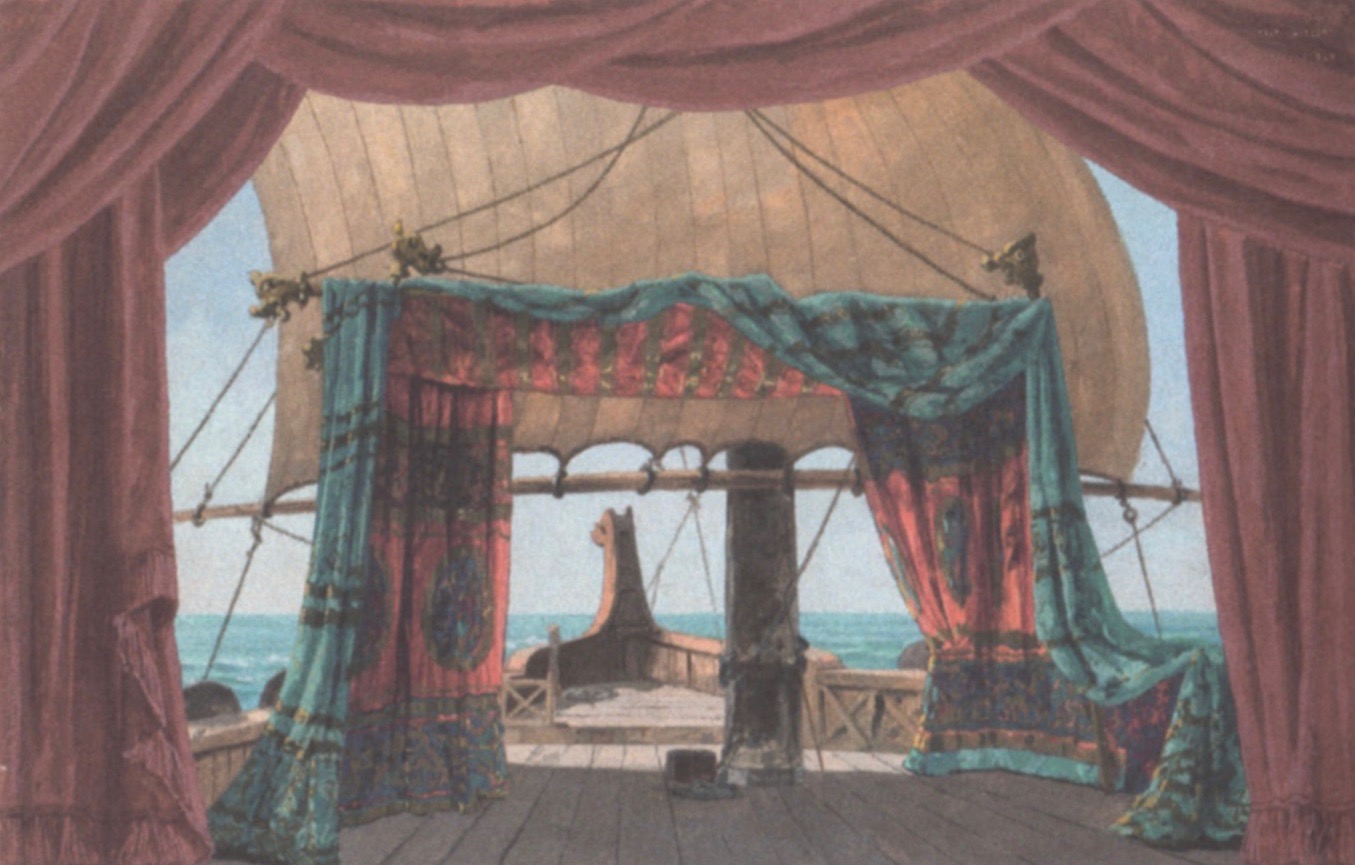
Above, Banks writes, “Queen Victoria at an opera in 1855. At a similar occasion in 1847, she had attended the world premiere of ‘I Masnadieri,’ the radical young Verdi’s opera based on Schiller’s rebellious first play ‘The Robbers.’ Prince Albert had probably reassured the young Queen that his compatriot Schiller was, ultimately, a good egg.” Below, “Set design by Carl Grabow for Act 1 of ‘Tristan und Isolde.’ ”
There’s also an Index of composers and their works by chapter and another of other personages cited in more than a single chapter.
My Napier-Railton. One of the high points of my career in automotive journalism was driving the 1933 Napier-Railton in 2007. Wonderful memories of this admittedly brief experience at Pebble Beach are accompanied by a Napier lapel pin given me by the car’s kind custodians at the Brooklands Museum and also a key fob and jigsaw puzzle of the car acquire later.

Add to this a surprise from Daughter Suz: a possibly unique bit of motoring art found on eBay: a Brooklands Garage assemblage of the Napier-Railton complete with its owner/driver John Cobb. The seller had little information of provenance other than its having been constructed by “RS ’93” and coming from an English estate sale.

Brooklands Garage, by RS, 1993.
The light is just right for the car to gleam prominently on the wall next to my workplace computer. By the way, the book choices were Daughter Suz’s as well. I’m blessed. ds
© Dennis Simanaitis, SimanaitisSays.com, 2024
 Simanaitis Says
Amazing collection of gifts, you are indeed blessed.
The Napier wall clock really got my attention.
Zounds! Yet another fascinating, and polyglot, presentation from Monsignor Simanaitis. Have oft wondered the orgins of the at and ampersand symbols. Thank you, sir.
Simon Banks’ operatic encapsulation of the 400-year transition from hierarchy to democracy is new to me and wonderful. If only 92 federal indictment, rabble-rousing Bratman, aka Orange Julius, not allowed to regain the Ovaltine Office next year and continue reversing this hard-won evolution.
To have driven the ’33 Napier-Railton–surely that’s as good as gets for us vintage autoholics. All i’ve got is that splendid Stan Mott Road & Track cartoon of God behind the wheel of this machine, surrounded by cherubs, replying with exasperation, “Of course I drive a car. What makes you think I don’t drive a car?” It hangs on my garage wall.
The closest i came was i went out in Reid Railton’s son’s ’37 Railton 8 tourer, Timothy J. R. Railton, a San Francisco attorney who lives in the East Bay and i sharing the same ex-Hudson and Packard mechanic’s mechanic, who’d run motor pools in the War II Pacific.
But driving the Napier-Railton? No taller cotton than that.
I take it you have already read Karl Ludvigsen’s excellent two-volume biography of Reid Railton.