
Simanaitis Says
On cars, old, new and future; science & technology; vintage airplanes, computer flight simulation of them; Sherlockiana; our English language; travel; and other stuff
BABY TALK—DOLPHIN STYLE
WE’VE ALL HAD GENTLE LITTLE CONVERSATIONS with infants, this “baby talk” helping them to learn how to speak. What’s more, Beki Hooper Ph.D. reports in Psychology Today, July 3, 2023, that “Dolphins Use Baby Talk With Their Calves.” Here are tidbits from Dr. Hooper’s article together with its primary research source and my usual Internet sleuthing.

Hey. It’s Me. “For a while now,” Hooper says, “we’ve known that dolphins have something akin to individual names. Each individual has a ‘signature whistle,’ which they call out to let others know that they are around. This would be like a human calling out their name as they walk through the door, letting their friends know who just walked in.”
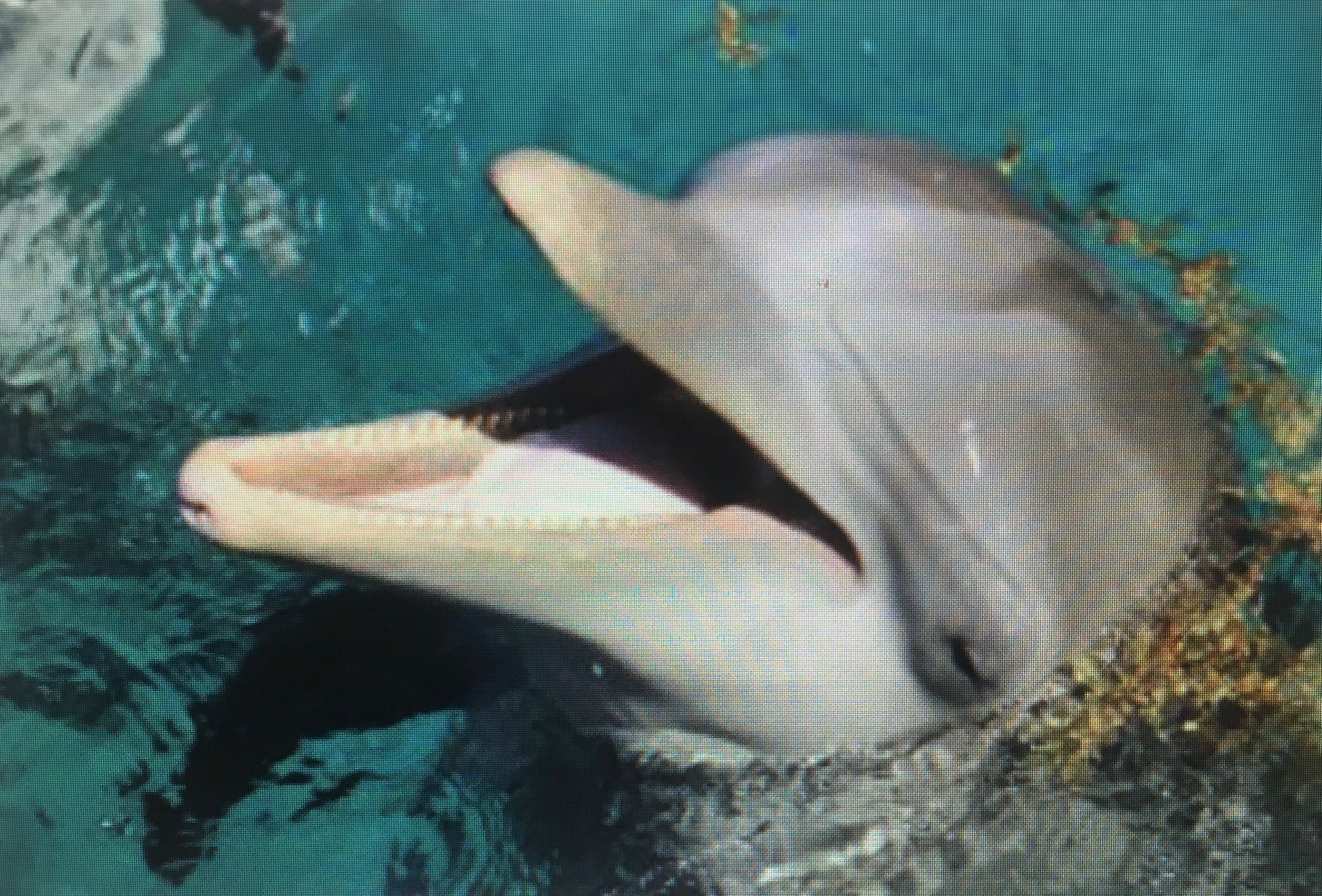
Hooper continues, “Working with a 34-year dataset of wild bottlenose dolphin calls, researchers analysed signature whistles of mothers when their calves were close versus when they were not. The researchers found that mothers changed their calls in a predictable way between these two contexts.”

“Motherese.” Laela S. Sayigh and her colleagues recount that “Bottlenose Dolphin Mothers Modify Signature Whistles in the Presence of Their Own Calves,” PNAS, June 26, 2023. In their Abstract, the researchers note, “Human caregivers interacting with children typically modify their speech in ways that promote attention, bonding, and language acquisition. Although this ‘motherese,’ or child-directed communication (CDC), occurs in a variety of human cultures, evidence among nonhuman species is very rare.”
The researchers recount, “We looked for its occurrence in a nonhuman mammalian species with long-term mother–offspring bonds that is capable of vocal production learning, the bottlenose dolphin (Tursiops truncatus).”
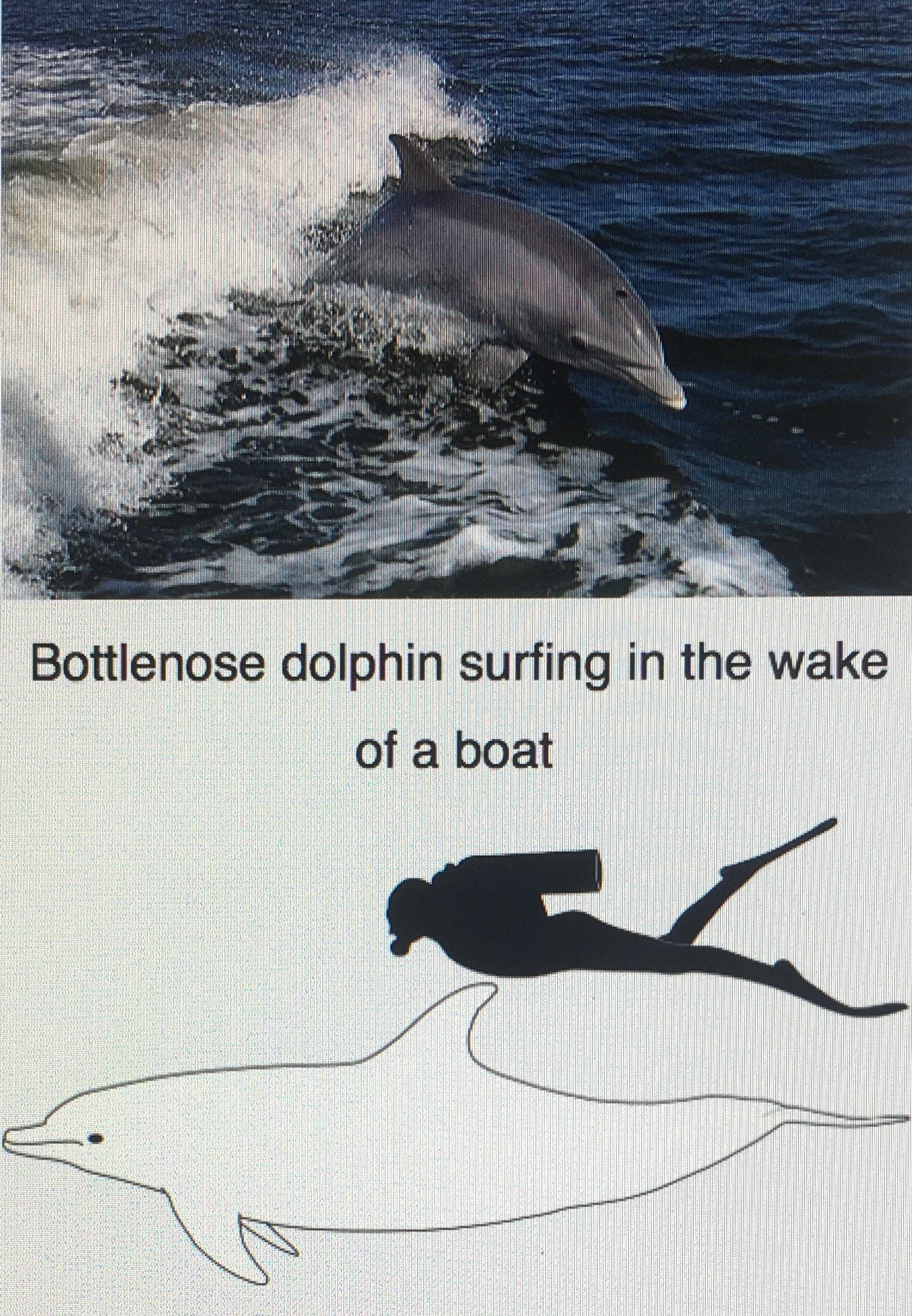
Flipper et al. Wikipedia notes, “Numerous investigations of bottlenose dolphin intelligence have been conducted, examining mimicry, use of artificial language, object categorization, and self-recognition. They can use tools (sponging; using marine sponges to forage for food sources they normally could not access) and transmit cultural knowledge from generation to generation, and their considerable intelligence has driven interaction with humans. Bottlenose dolphins gained popularity from aquarium shows and television programs such as Flipper.”
Why Both Humans and Dolphins? Hooper notes, “Child-directed communication hasn’t been observed in many animals. This poses the question of why it happens in both humans and dolphins. The researchers suggest that it is because of specific similarities between us. Both humans and dolphins have long periods of development where we (1) are dependent on our caregivers for a long period of time, (2) live in complicated social environments and (3) must learn complex vocalisations from our caregivers in order to navigate these environments. That evolution may have sculpted the same behaviours between us both is perhaps not so surprising given these similarities.”
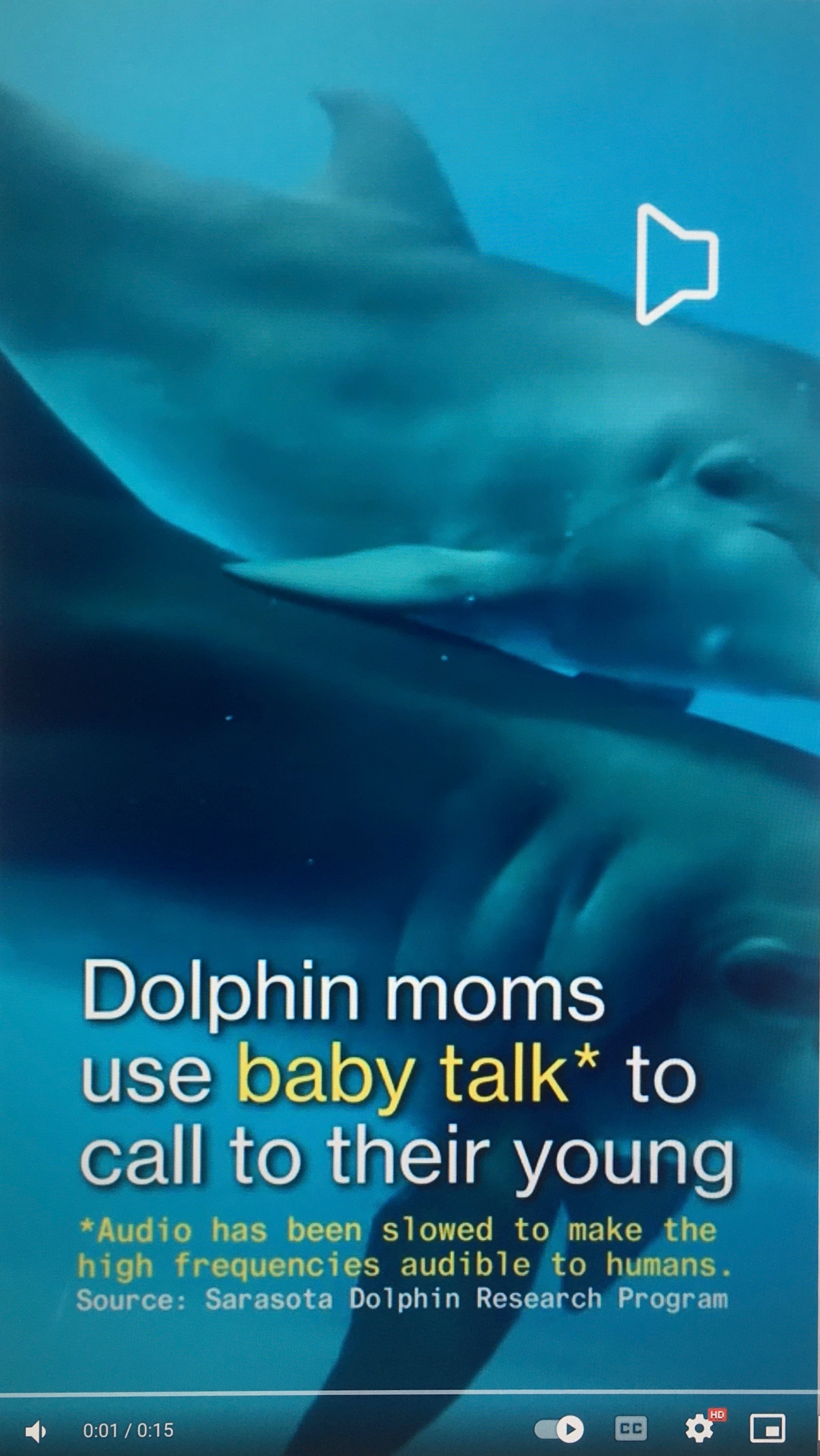
Higher and Wider Frequencies. The researchers “found that females produced signature whistles with significantly higher maximum frequencies and wider frequency ranges when they were recorded with their own dependent calves vs. not with them. These differences align with the higher fundamental frequencies and wider pitch ranges seen in human CDC.”
“Our results,” the researchers continue, “provide evidence in a nonhuman mammal for changes in the same vocalizations when produced in the presence vs. absence of offspring, and thus strongly support convergent evolution of motherese, or CDC, in bottlenose dolphins. CDC may function to enhance attention, bonding, and vocal learning in dolphin calves, as it does in human children. Our data add to the growing body of evidence that dolphins provide a powerful animal model for studying the evolution of vocal learning and language.”
I wonder if dolphins sense a kinship (or curiosity, or merely mild annoyance?) through our “baby talk” to them. ds
© Dennis Simanaitis, SimanaitisSays.com, 2023
 Simanaitis Says
Thank you! Remarkable creatures. Researchers 40+ years ago deduced porpoises have 1,800 vocabularies, comparable to two of our presidents this century, speak in five-six word sentences, subject, predicate, object. Since then, the porpoise Oxford Unabridged might well register a thousand or more previously unknown words, including slang, hip hop, et al.
Life in the sea, fount of all life, going extinct faster than it can be catalogued. While it’s only human to ponder the cosmos, radio telescopes have discovered not one element already known on earth.
Perhaps we should spend at least half as much on oceanography as on the cold, empty vacuum of space.
Meant “….1,800-word vocabularies…” But perhaps I should’ve let that typo stand, since there might well be 1,800 ethnicities, societies, enclaves of porpoises. Dolphins and porpoises closely related, both highly intelligent, but since the above specifically about the more talkative dolphins, who’s to say their Webster’s thicker yet?
Dolphins, porpoises, and whales are close cousins to apes and humans. Similarities in communication should not be unexpected.
The sea creature I find most amazing is the octopus. Whether it is intelligence or something totally different I don’t know, but their learning abilities is way beyond human. It makes me wonder what other things are hiding in our waters.