
Simanaitis Says
On cars, old, new and future; science & technology; vintage airplanes, computer flight simulation of them; Sherlockiana; our English language; travel; and other stuff
THE 1929 GOLDEN BEAR CABIN PLANE—SOARING PLANS, SORRY DEMISE PART 2
YESTERDAY IN PART 1, THE GOLDEN BEAR NC-1 had soaring plans of being an all-metal airplane for private flyers, one bearing resemblance to Lindbergh’s Spirit of St. Louis. Alas, a decade after this prototype’s first flight, it suffered the indignity of a mob’s souvenir hunt.
What a tale. And, with its fine expansive greenhouse, what a fine GMax project.

Documentation. The book Classic Airplanes of the 30’s and Aircraft of the Roaring 20’s provided specifications, if not any 3-view drawings.
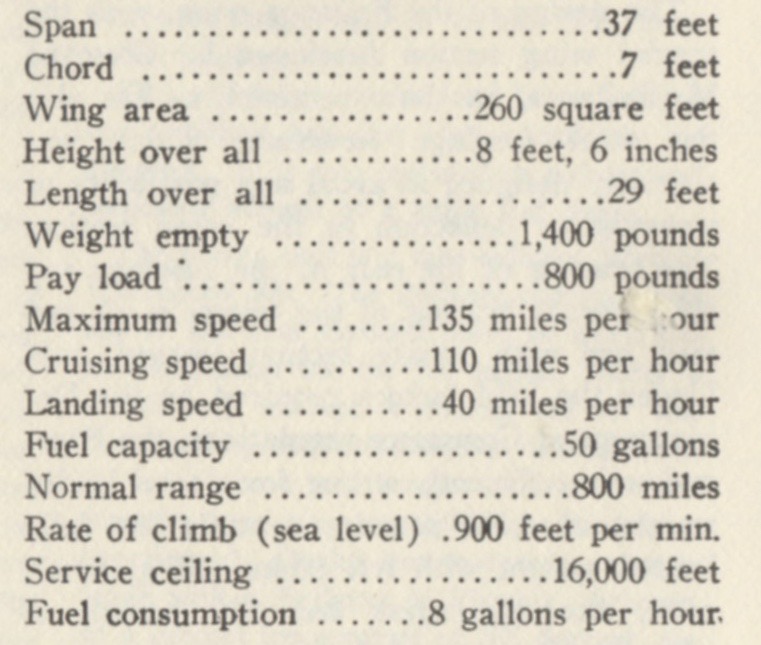
Fortunately, the Golden Bear’s appearance was close enough to that of a Ryan Brougham to adjust for dimensional differences: the Ryan’s wingspan 42 ft.; the Golden Bear’s, 37 ft.; the Ryan’s length 27 ft. 9 in.; the Golden Bear’s, 29 ft.; the Ryan’s empty weight, 1870 lb.; the Golden Bear’s 1400 lb.
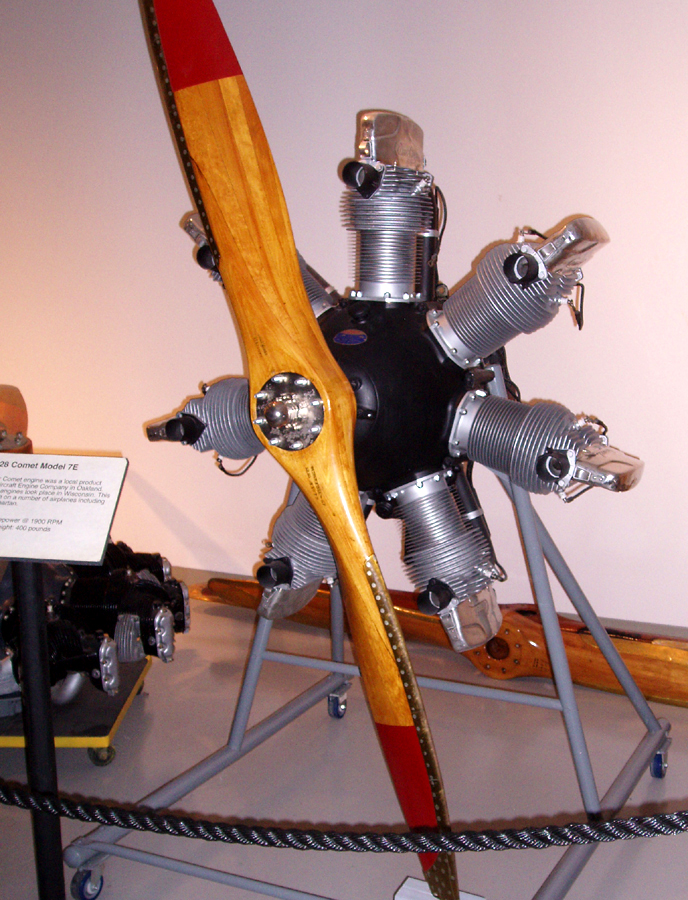
Air-cooled Radials. The Golden Bear was powered by a Comet seven-cylinder air-cooled radial producing 150 hp, with intention of later variants having a Wright J-6-9, a nine-cylinder radial. The Ryan’s initial production engine was the Wright J-5, a nine-cylinder radial producing 225 hp.

What About Seating? I typically leave interiors until later stages of the modeling, and it was easy to locate the pilot’s central seating. However, the two passenger seats were a puzzle: Golden Bear doors were asymmetric, the starboard er… righthand door seemingly for pilot and passenger access, the lefthand one also providing access for the “large luggage compartment aft of the passenger cabin.”

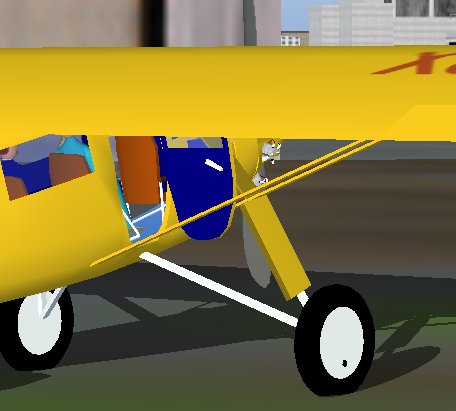
At first, I tried side-by-side accommodations, with duplicates of the pilot’s seat. This proved to be a tight squeeze laterally, with the seat hardware sticking out of the Golden Bear fuselage.
Gee, maybe my pilot scaling was out of whack with other Golden Bear dimensions. (Like the passengers, he had been imported from previous GMax projects).
No. Extended and measured, he was just a tad under 6 ft. (Lindbergh, by the way, was a lanky 6’ 3”.)
Scaled down to accommodate side-by-side seating in the Golden Bear’s 2.9-ft. cabin width left my two passengers, Viola and her pal, barely 4 ft. tall. Nope. Tandem seating would be more appropriate.

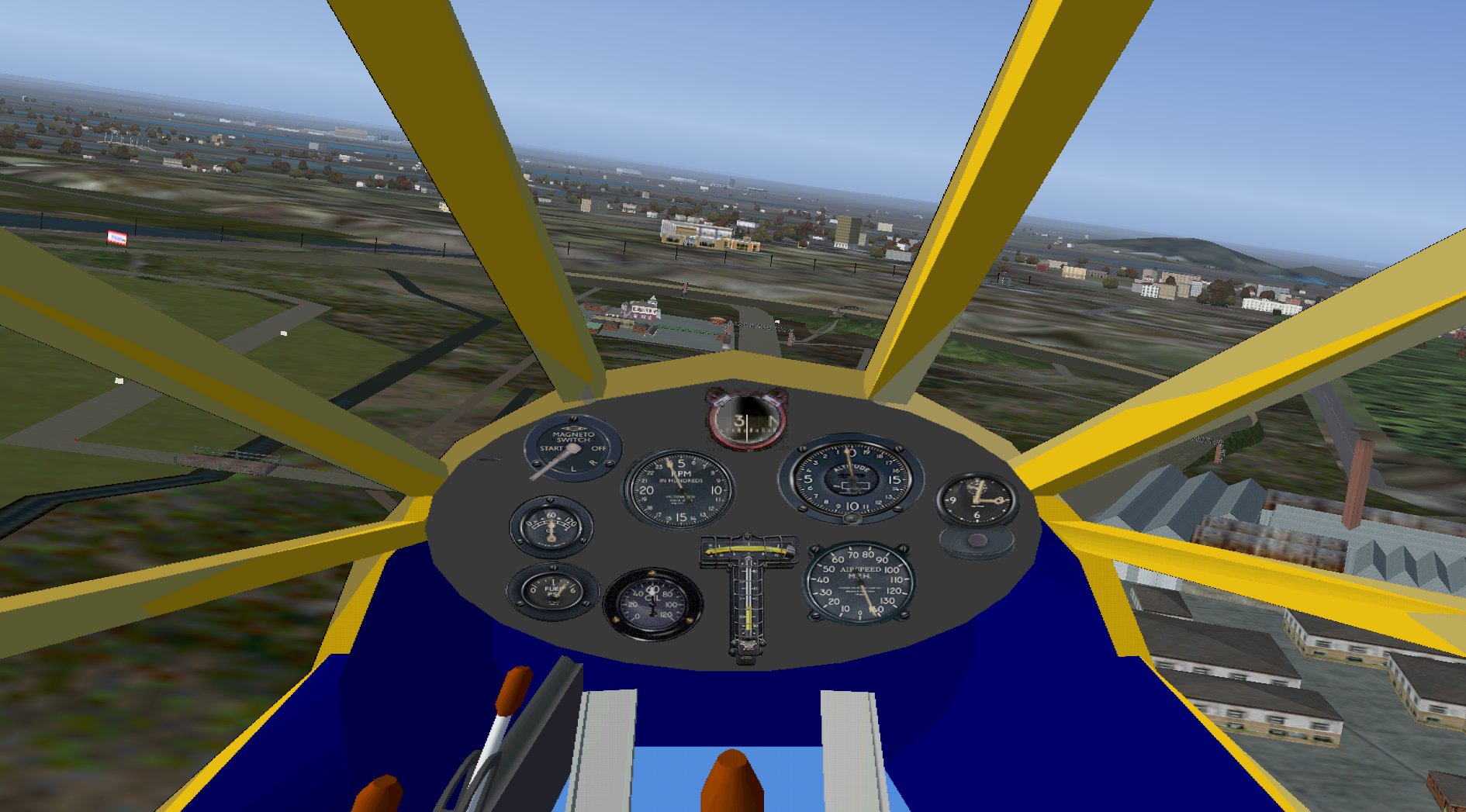
Instrumentation. My version of Microsoft Flight Simulator, known colloquially as FS9, has a beautifully rendered Spirit of St. Louis as one of its historical aircraft. Its interior is a work of art, complex with all the fuel plumbing for Lindbergh’s NY/Paris flight.
By contrast I had no information on the Golden Bear’s interior, its only documentation noting blue mohair and sound-proofing. However, the Spirit of St. Louis’s oval instrument panel worked perfectly with the Golden Bear’s expansive view forward (just the opposite of Lindbergh’s periscopic viewing).
By the way, I later found images of a Ryan Brougham instrument panel, a rather conventional one missing the charm of the Spirit of St. Louis’s.
All in good fun. And while researching the Golden Bear, I came upon my next GMax project: the Alexander Eaglerock, a biplane of the same era that I had admired regularly. A real one is on display at Denver International. ds
© Dennis Simanaitis, SimanaitisSays.com, 2023
 Simanaitis Says
Hi Dennis,
What a pleasant aircraft for joyrides and touring. A roomy cabin with excellent views for passengers and pilot. If produced with the Wright Whirlwind engine, the NC-1could have been a very popular airplane.
Best regards,
John
Looking forward more on the Alexander Eaglerock. We have passed it on trips from Denver, and managed a decent photo of it last time through. Being from up the road in Wyoming, we liked the traditional Wyoming cowboy drawing on the side.