
Simanaitis Says
On cars, old, new and future; science & technology; vintage airplanes, computer flight simulation of them; Sherlockiana; our English language; travel; and other stuff
THE 1929 GOLDEN BEAR CABIN PLANE—SOARING PLANS, SORRY DEMISE PART 1
AS DESCRIBED IN CLASSIC AIRPLANES of the 30’s and Aircraft of the Roaring 20’s, “The November 1939 issue of ‘Popular Aviation’ carried a photo sequence of the destruction of a Ryan airplane by a mob that had been awaiting the deliberate crash of this airplane. However, the landing gear collapsed on take-off and the crowd went after the remains like a flock of vultures.”
Gad.
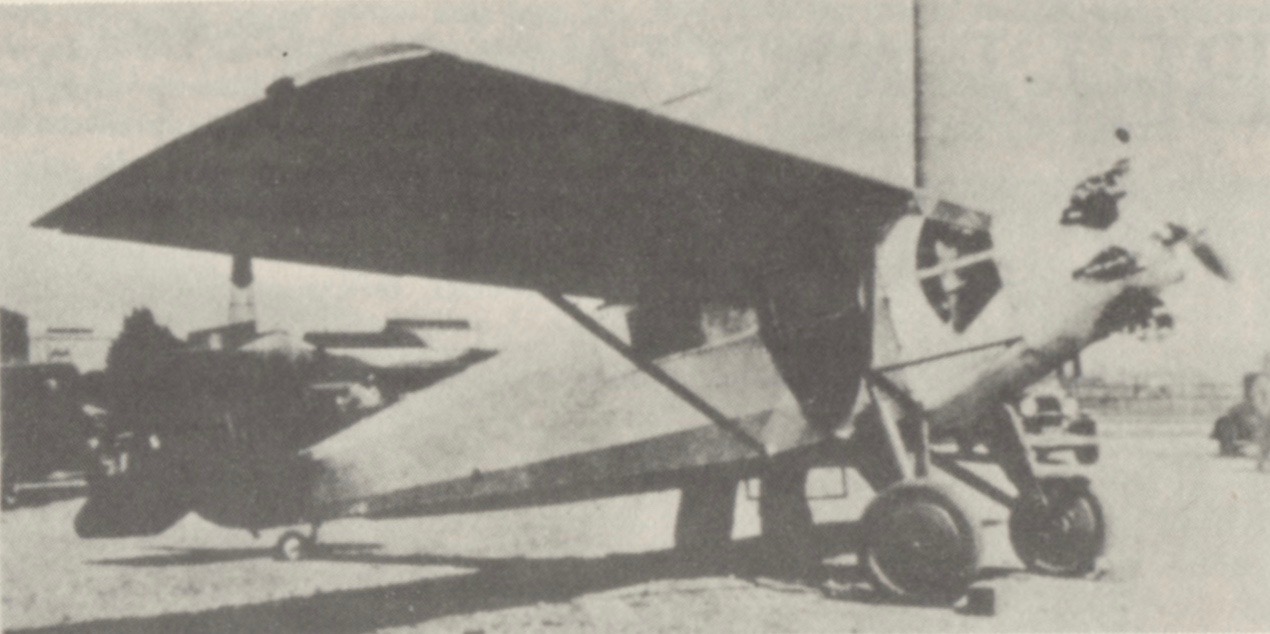
Interesting History: Tidbits galore are offered here in two parts: today (the craft itself) and tomorrow (its GMax modeling). Indeed, the aircraft resembled a Ryan Brougham, though it was actually built by the Neilson Steel Aircraft Corporation of Berkeley, California. And thus its name the Golden Bear NC-1.
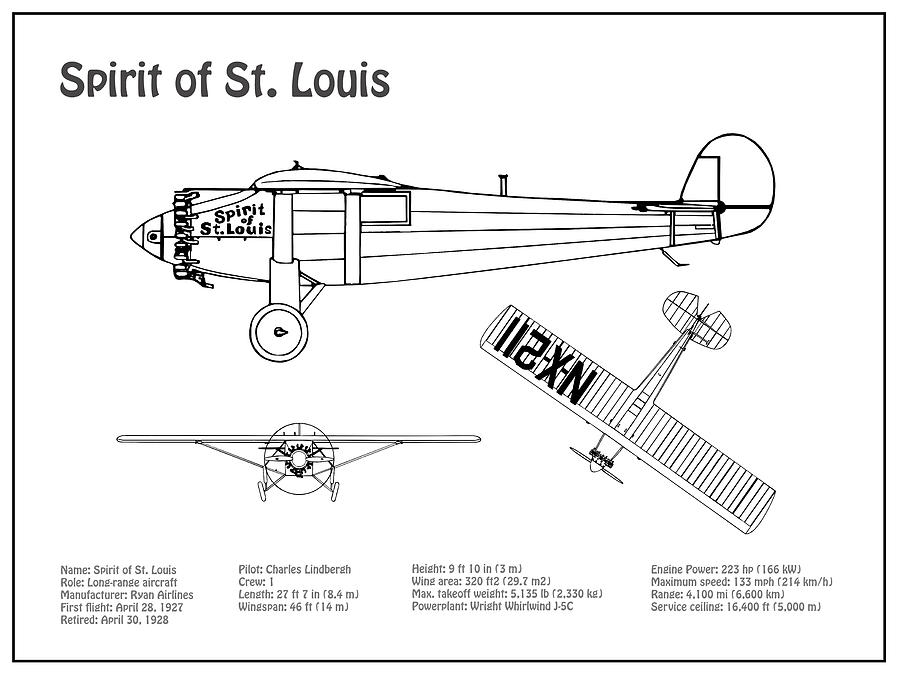
Greenhouse or Fuel Tank. The craft’s sorry demise was only part of its attraction to me as a GMax/Microsoft Flight Simulator project. In particular, I enjoy aircraft with expansive greenhouses, and the NC-1 and Ryan’s Brougham certainly qualified. There’s another reason: Replace all that greenhouse cabin with fuel tank and you’re looking at one of the most famous aircraft of all time: Charles Lindbergh’s Spirit of St. Louis.

Soaring Plans. Classic Airplanes writes, “R.F. Korman, formerly chief mechanic of the Mahoney Aircraft Corporation and now chief engineer of the Neilson company, is the designer. Reflecting the company’s “Steel Aircraft” moniker, “The ship is constructed throughout of steel tubing, with chrome-molybdenum tubing in all the vital parts. All fittings are gusset welded.”

The Golden Bear first flew in 1929.
“The tests of the Golden Bear,” Classic Airplanes recounted, “were made by Ray Crawford, Oakland airport flier, from the newly establish Berkeley airport.”
Failsafe Flight? Classic Airplanes continued, “Although the first model is fabric covered, later ships are to be all-metal.” Indeed, this wasn’t to be their only advanced aspect: “Two special safety features are included in the design. The plane is engineered and fitted for a plane parachute, special fitting being installed in the wing structure above the cabin. It is also equipped with ‘bail out’ doors, which are quickly freed by special releases, in the event that the passengers are forced to leave the plane by parachutes. The pulling of a lever releases the doors, giving the passengers an obstructed exit.”
It’s doubtful that these failsafe features were ever deployed.
Custom Mohair. “The cabin,” Classic Airplanes said, “is finished in blue mohair and is sound-proofed with a fiber composition. All [three] seats are fitted with spring cushions.”
By the way, Lindbergh eschewed such creature comforts: His Spirit of St. Louis had a lightweight wicker seat with a simple cushion.
“The pilot’s seat,” Classic Airplanes recounted, “is adjustable and is located in the center of the pilot’s compartment. Non-shatterable glass is used in the windows. A large luggage compartment is located aft of the passenger cabin.”

True enough, but nothing is stated about orientation of the two passenger seats: tandem or side-by-side. This was part of the fun in modeling my GMax Golden Bear to be described in Part 2 tomorrow. Also I never included any parachutes, but plenty of greenhouse. ds
© Dennis Simanaitis, SimanaitisSays.com, 2023
 Simanaitis Says