
Simanaitis Says
On cars, old, new and future; science & technology; vintage airplanes, computer flight simulation of them; Sherlockiana; our English language; travel; and other stuff
PEGASO TIDBITS PART 2
YESTERDAY, WE LEARNED FROM R&T, November 1954, that Wilfredo Ricart’s Pegaso cars seemed well-nigh unbreakable. Today several other sources contribute to this Spanish exotic’s history.
More Pegaso Lore. Wikipedia gives a brief marque history of Pegaso’s 1951–1958 production of a mere 84 examples. It remarks (with need of citation noted), “In-house coachbuilder Enasa also built a version of the Z-102 called the ‘Cupola’ which was designed based on sketches from Spanish students. The students were given the challenge of sketching what they thought cars of the future would look like.”
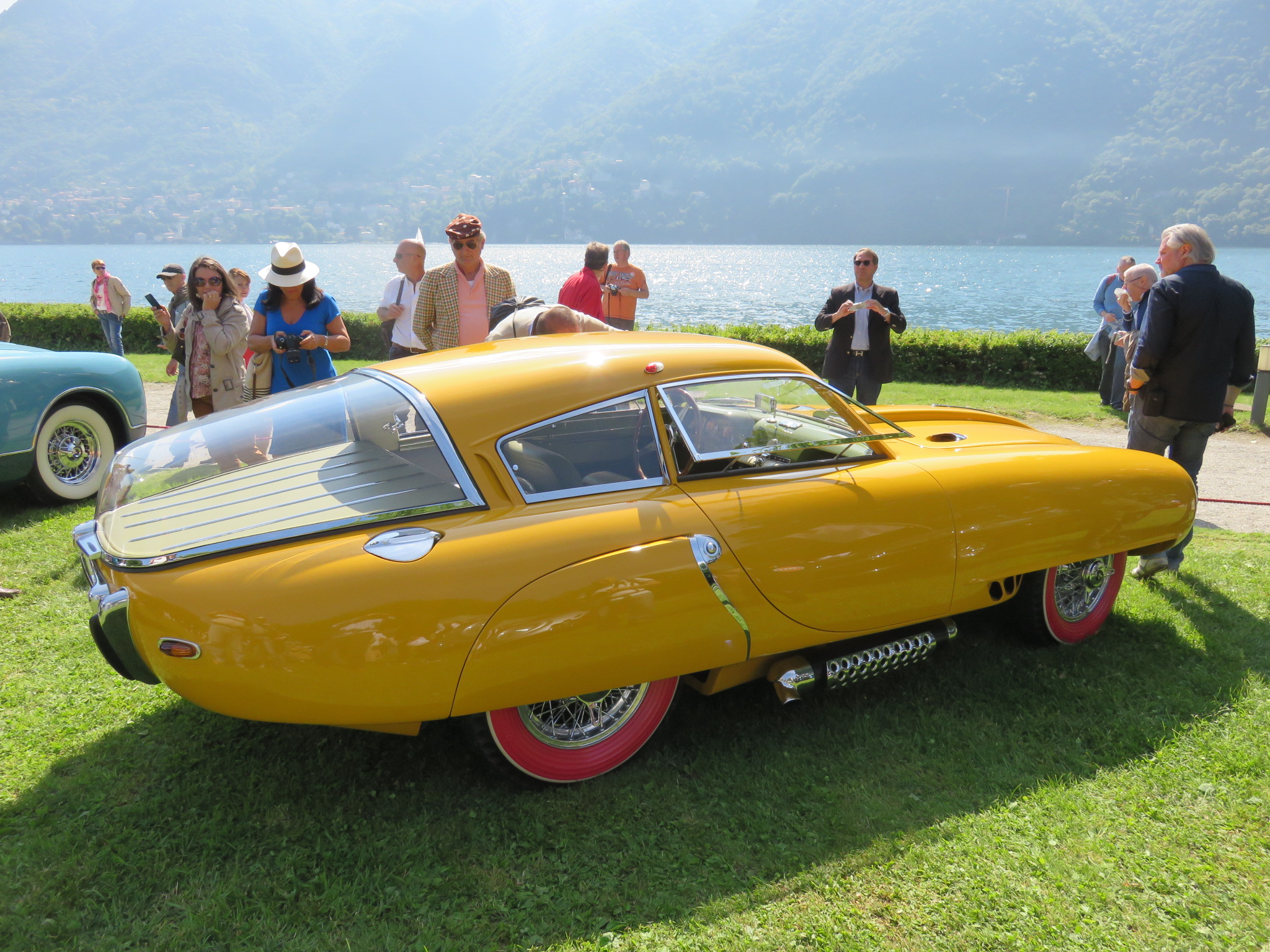
“Prominent design cues from those drawings were then taken,” Wikipedia says, “and Enasa brought the car to life. Only two ‘Cupola’ models were known to have been built. One of the two was purchased by Dominican dictator Rafael Trujillo. Only one of the Cupola models is known to have survived and it is currently owned by the Louwman Museum.”
Beating Jag, But Not For Long. “On September 25, 1953, in Jabbeke (Belgium),” Wikipedia says, “a Z-102 Touring BS/2.8 (the old Barchetta used at Le Mans, 2.8 litre single supercharger), driven by Celso Fernández, broke four official R.A.C.B. (Royal Automobile Club de Belgique) world records.
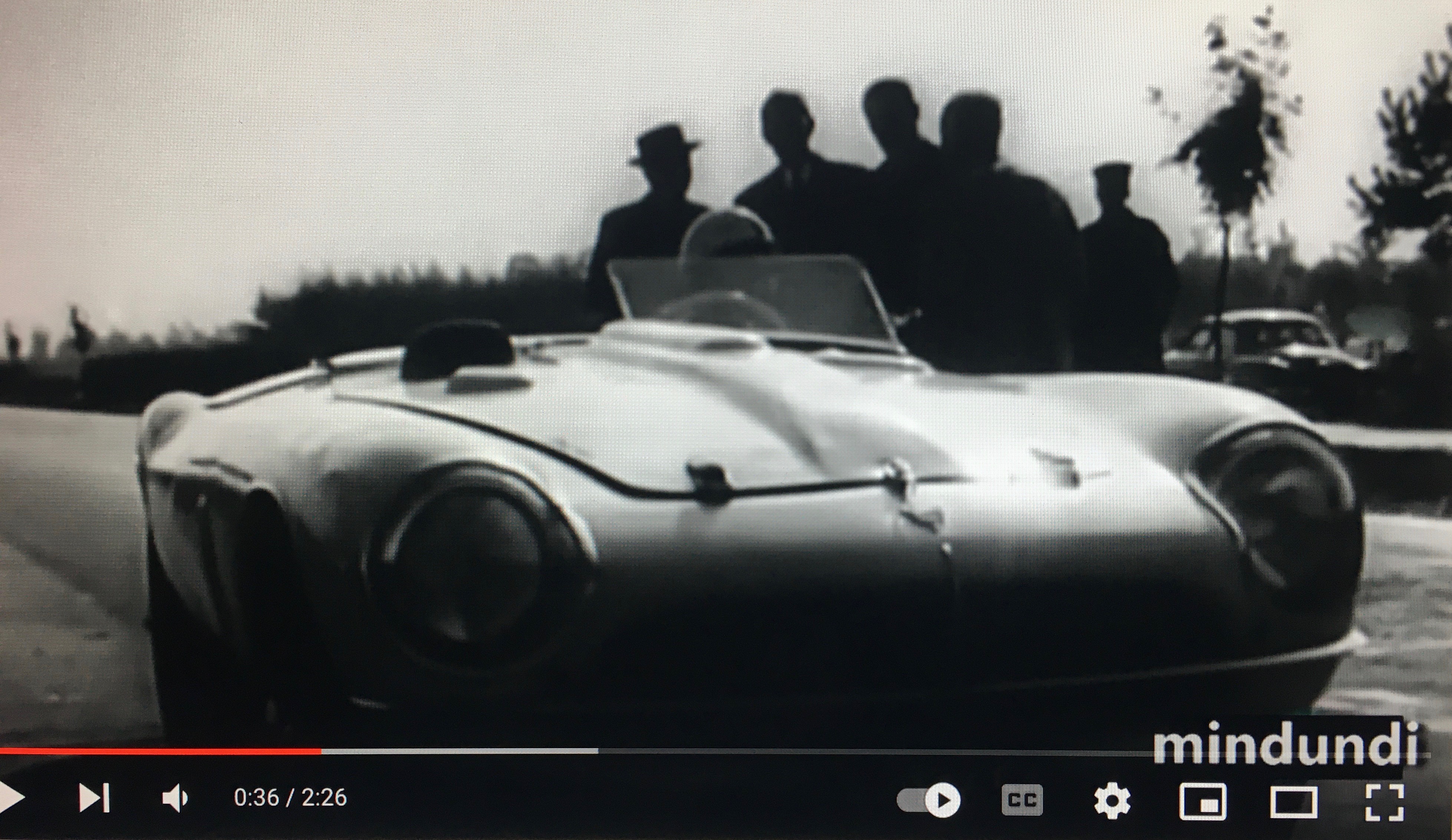
“Of these records,” Wikipedia writes, “the most prominent was its speed in the flying-start kilometer. The supercharged Z-102 achieved a 243.079 km/h (151.042 mph) average, a record previously held by a Jaguar XK120. This made the Z-102 the fastest production car in the world at that time. The original Z-102 BSS/2.5 Bisiluro Especial Competición (2.5 litre twin supercharged) built to take on the records couldn’t be used because of a blown engine.”
Indeed, it didn’t take Jaguar long to bring a highly modified XK120, sort of a C/D prototype, and run it at 172.4 mph. Soon afterwards, authorities banned Jabbeke Highway of such high jinks.

This latter Pegaso was one of several Bisiluro (twin-torpedo) designs of the era, two by Piero Taruffi; one, a Nardi running at Le Mans.
Goldich had concluded his November 1954 R&T piece with, “It will be most interesting to see just what happens but it is a safe bet that we’ll hear much more from the Barcelona flyer, Spain’s bid for the ‘car of mañana.’ ”
Well, sorta. ds
© Dennis Simanaitis, SimanaitisSays.com, 2023
 Simanaitis Says
Wondering at the otherwise paucity of information on these stout, thoroughly engineered cars. Pegasos would seem to merit the strength of the bull logo more than Lamborghini. Good grief, repeated shifts at 8,000 rpm in a sport car of 1951 design.