
Simanaitis Says
On cars, old, new and future; science & technology; vintage airplanes, computer flight simulation of them; Sherlockiana; our English language; travel; and other stuff
ETYMOLOGY: SCOUNDREL
TO QUOTE Trumpery of January 14, 2019, the president said that FBI personnel were “known scoundrels.”

Were I a second-grader, I might respond, “It takes one to know one.” Given that I have progressed, let’s just add “scoundrel” to my list of Etymology for our Times and go on with our lives.

Merriam-Webster defines “scoundrel” as “a disreputable person: RASCAL.” Its list of synonyms is a veritable glossary of timely op-eds, including baddie, caitiff, evildoer, fiend, knave, miscreant, nazi, rapscallion, reprobate, scalawag, and varlet.
These should keep me busy.
Though M-W lists the word scoundrel’s origin as unknown, it cites a first known use in 1589.
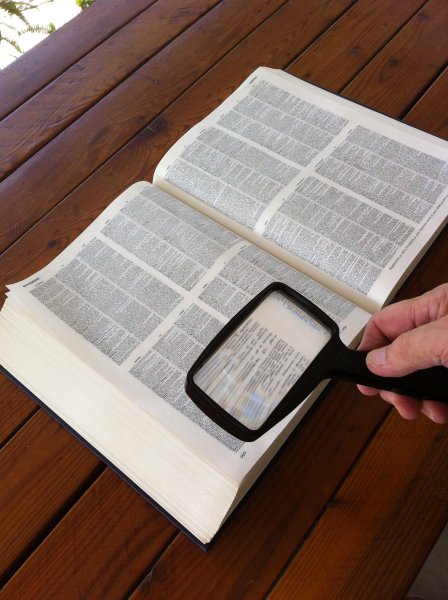
The Compact Edition of the Oxford English Dictionary,
For more, I turned to The Compact Edition of the Oxford University Dictionary. It agreed with M-W on definition: “A mean rascal, a low petty villain. Now usually used in a stronger sense: An audacious rascal, one destitute of all moral scruple.”
The OED also avoids any definitive statement of origin, though it conjectures, “The phonetic character of the word suggests a Fr. origin.”

Not to put too fine a point on it, but I suspect L’Acadédemie Française would suggest an origine anglaise.
The OED identifies the 1589 reference as William Warner’s Albions England, or Historicall Map of the Same Island. “Must I, thought I, give aime to such a Skrub and such a Saint, That Skowndrell and this Counterfeit.”
“Skrub,” eh? Another etymology, another day.
Shakespeare used the term in Twelfth Night, 1601: Sir Toby Belch (one of Shakespeare’s best character names!) says, “By this hand, they are scoundrels and subtractors that say so of him.”

Sir Toby Belch in Shakespeare’s Twelfth Night. Painting by George Henry Hall, 1854.
Knowing Sir Toby’s “ambiguous mix of high spirits and low cunning,” I am tempted to remark, “takes one to know one.” I won’t, though. ds
© Dennis Simanaitis, SimanaitisSays.com, 2019
 Simanaitis Says