
Simanaitis Says
On cars, old, new and future; science & technology; vintage airplanes, computer flight simulation of them; Sherlockiana; our English language; travel; and other stuff
CAN THAT BE PRESIDENTIAL‽
THE INTERROBANG, a combined ! + ? = ‽, has a well defined origin, several interesting stories, and even an official association. What’s more, given that it expresses combined questioning and emphasis, this punctuation symbol finds growing use these days.
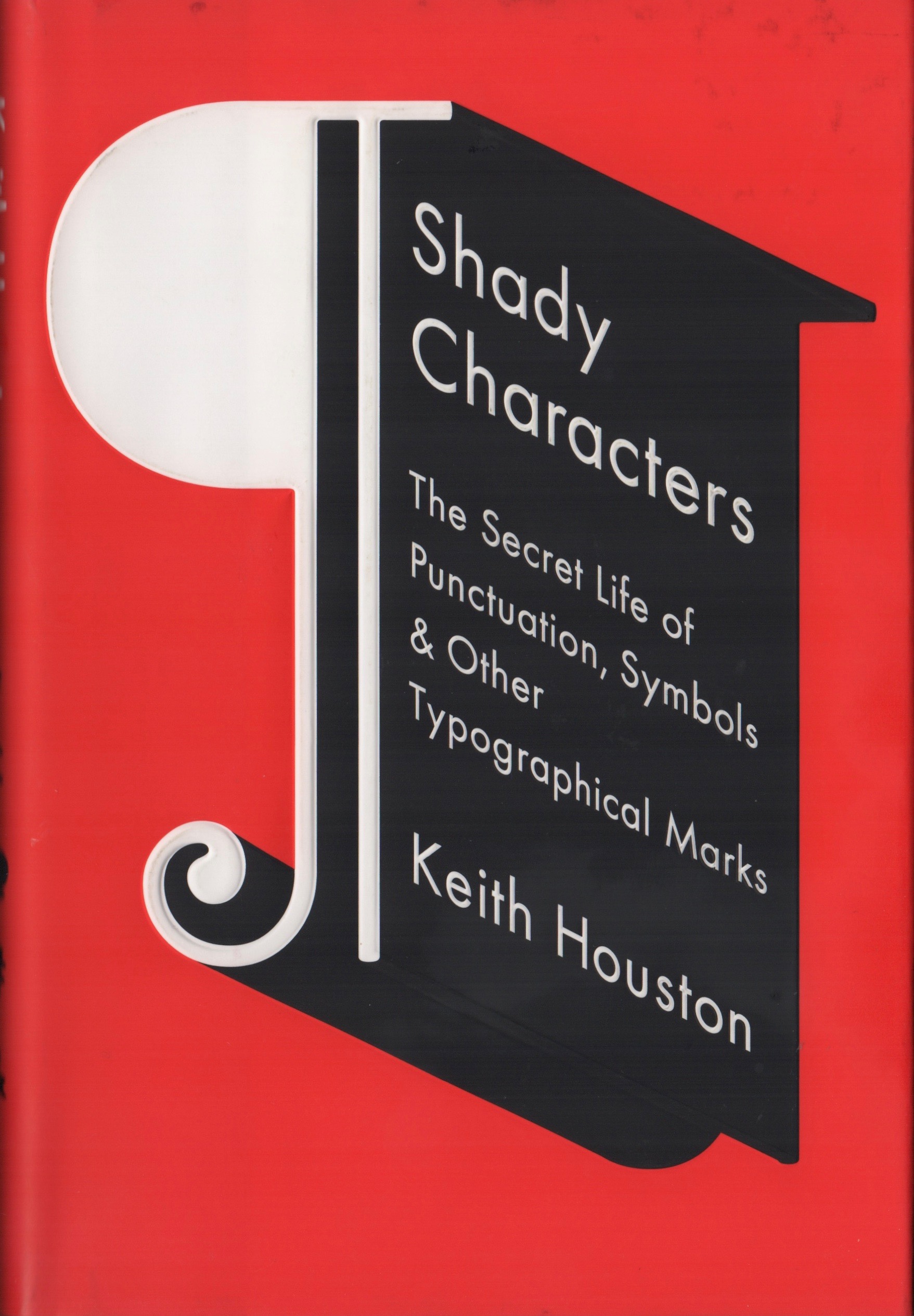
Shady Characters: The Secret Life of Punctuation, Symbols, and Other Typographical Marks, 
My primary source on the interrobang is Keith Houston’s entertaining (and entertainingly titled) Shady Characters. I also searched Emoji & Symbols in my computer’s word processing.
Yep; there it is: ‽, now among my Frequently Used characters in a pull-down menu. Don’t worry; editress Wife Dottie is likely to give me an interrobang limit.
The interrobang is Chapter 2 of Keith’s book. Its other chapters include familiar symbols such as *, -, &, and @, but also names new to me for # (octothorpe), ¶ (pilcrow aka paragraph symbol), and ☛ (manicule aka pointing hand).
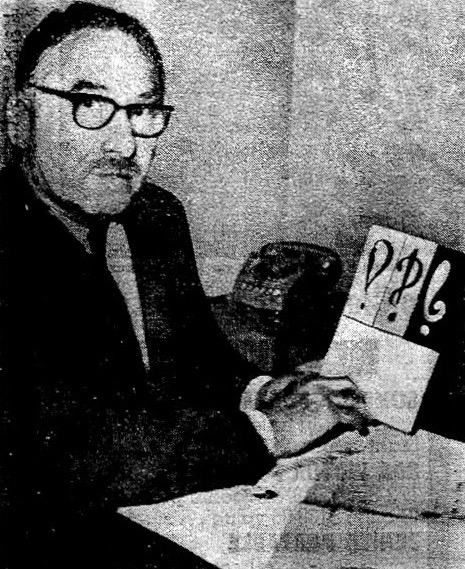
Martin K. Speckter, 1915–1988, American advertising and public relation specialist, editor of Type Talk. Image from Tenth Letter of the Alphabet.
Martin K. Speckter, think the ad/pr good guy on Mad Men, invented the interrobang in 1962 to give concise punctuation for the emphatic or rhetorical question. “Who would punctuate a sentence like that?!” wrote Speckter in the March-April 1962 issue of Type Talk, a bimonthly journal he edited on the topic of typography.
The New York Herald Tribune had an interrobang debut in a column on April 1, 1962. Alas, notes Shady Characters author Houston, this choice of date “predictably raised questions as to the interrobang’s authenticity.”
This was mitigated on April 6, 1962, when The Wall Street Journal offered this perfect example of interrobang use: “Who forgot to put gas in the car‽”
Houston cites early discussion concerning the symbol’s name: “ ‘emphaquest,’ ‘interrapoint,’ and the tongue-twisting ‘exclarogative.’ ” He also mentions an “intentional ambiguity by the slyly humorous ‘consternation point.’ ”
But interrobang it became.
In the late 1960s, typewriter manufacturers briefly got into interrobanging. Remington Rand included it as an optional key and character on its Model 25 Electric machine. Smith-Corona countered with its own swappable ‽ key.
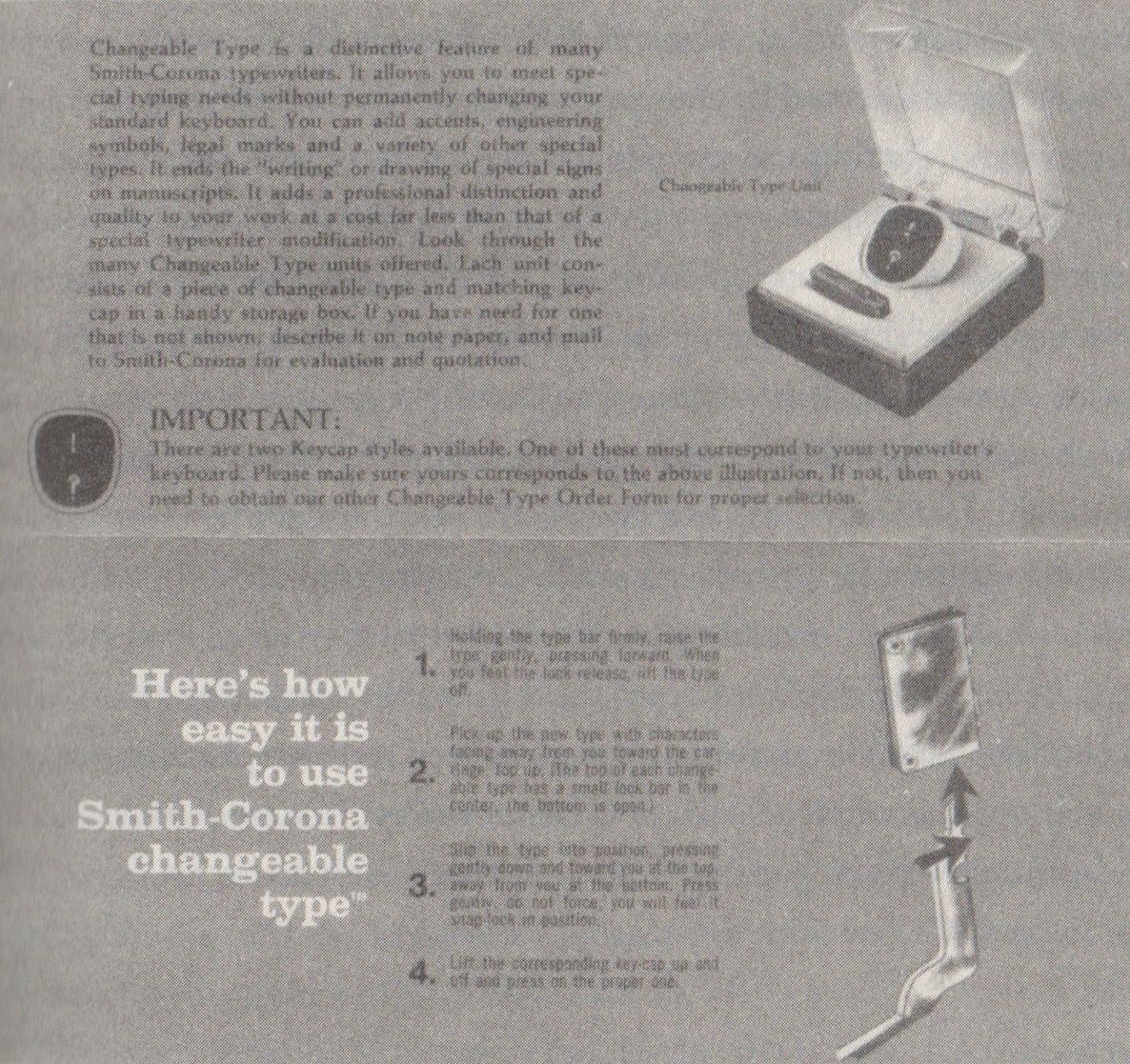
Smith-Corona brochure, 1969. This and the following images from Shady Characters.
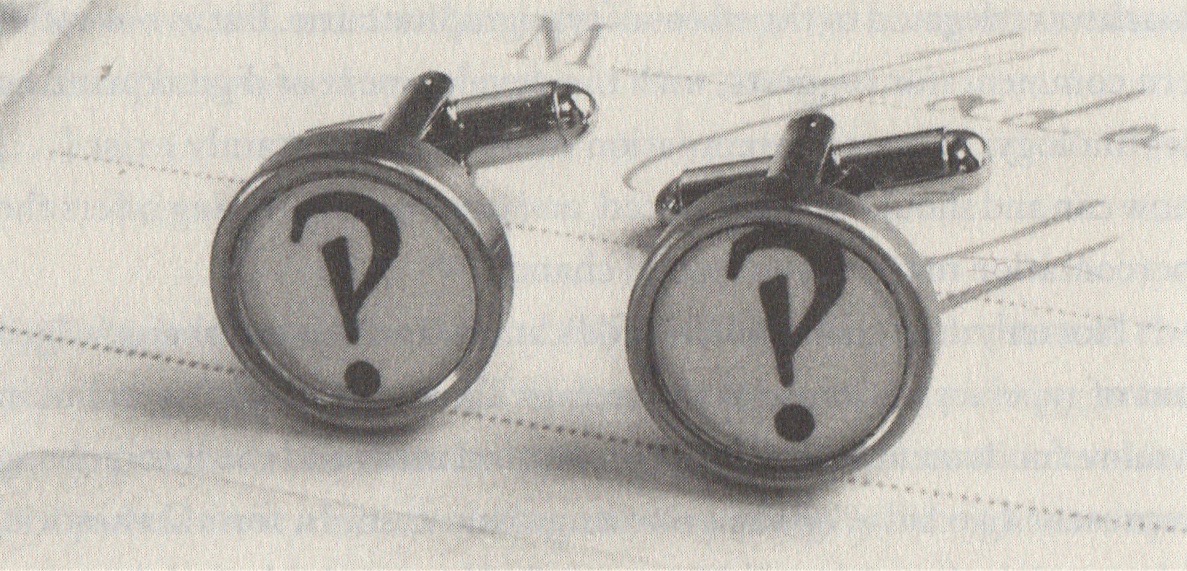
Enthusiasm for the interrobang peaked around 1970, though it continues to pop up from time to time. Houston cites cufflinks made from vintage typewriter keys with ‽ symbols incorporated.
An interrobang high point came earlier in 2017 with the State Library of New South Wales, Australia, celebrating its 100th anniversary. Asked to come up with a new logo for the library, Sydney designer Vince Frost chose the interrobang.
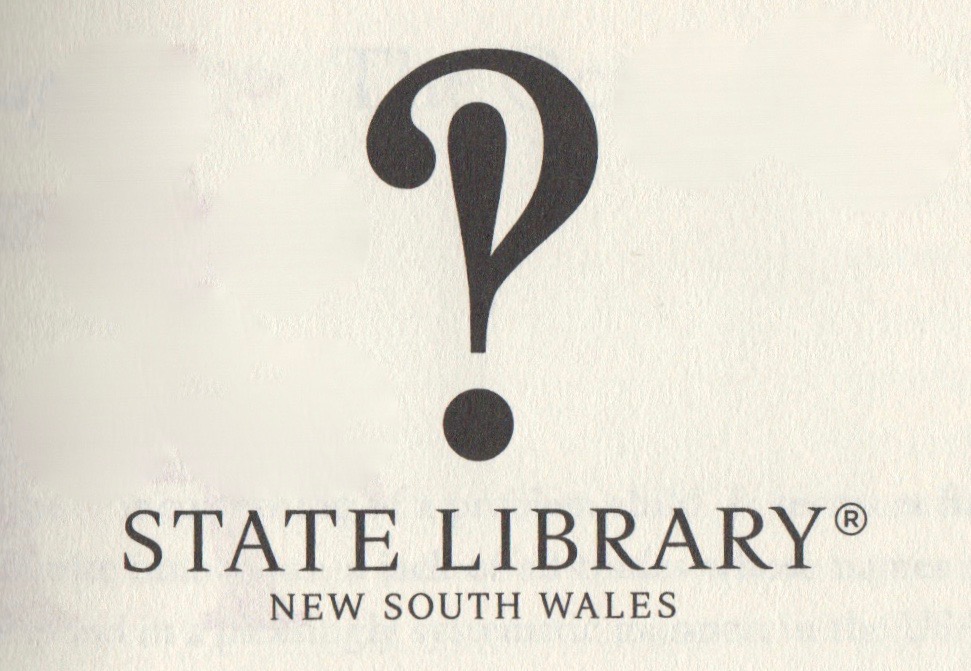
Houston observes, “… Speckter’s invention may yet enjoy a happy ending. It has become, if such a thing is possible, a cult punctuation mark.”
In this era of hypocrisy, mendacity, Nambia, narcissism, and the rest, wouldn’t the time of the interrobang be now‽ ds
© Dennis Simanaitis, SimanaitisSays.com, 2017
 Simanaitis Says