
Simanaitis Says
On cars, old, new and future; science & technology; vintage airplanes, computer flight simulation of them; Sherlockiana; our English language; travel; and other stuff
IT USTA BE SAID…
COLLOQUIALISMS ARE here today and gone tomorrow. But like this temporal analysis, some remain. A little research and some thinking revealed several gems of both categories, which follow in no particular order.
Roll up the window. Those of us with older cars—or old memories—know why the term “roll up” is used. This reminds me of a Morgan friend who commented she jumped directly from side curtains to electric window lifts, with nary a roll-up car window in between.
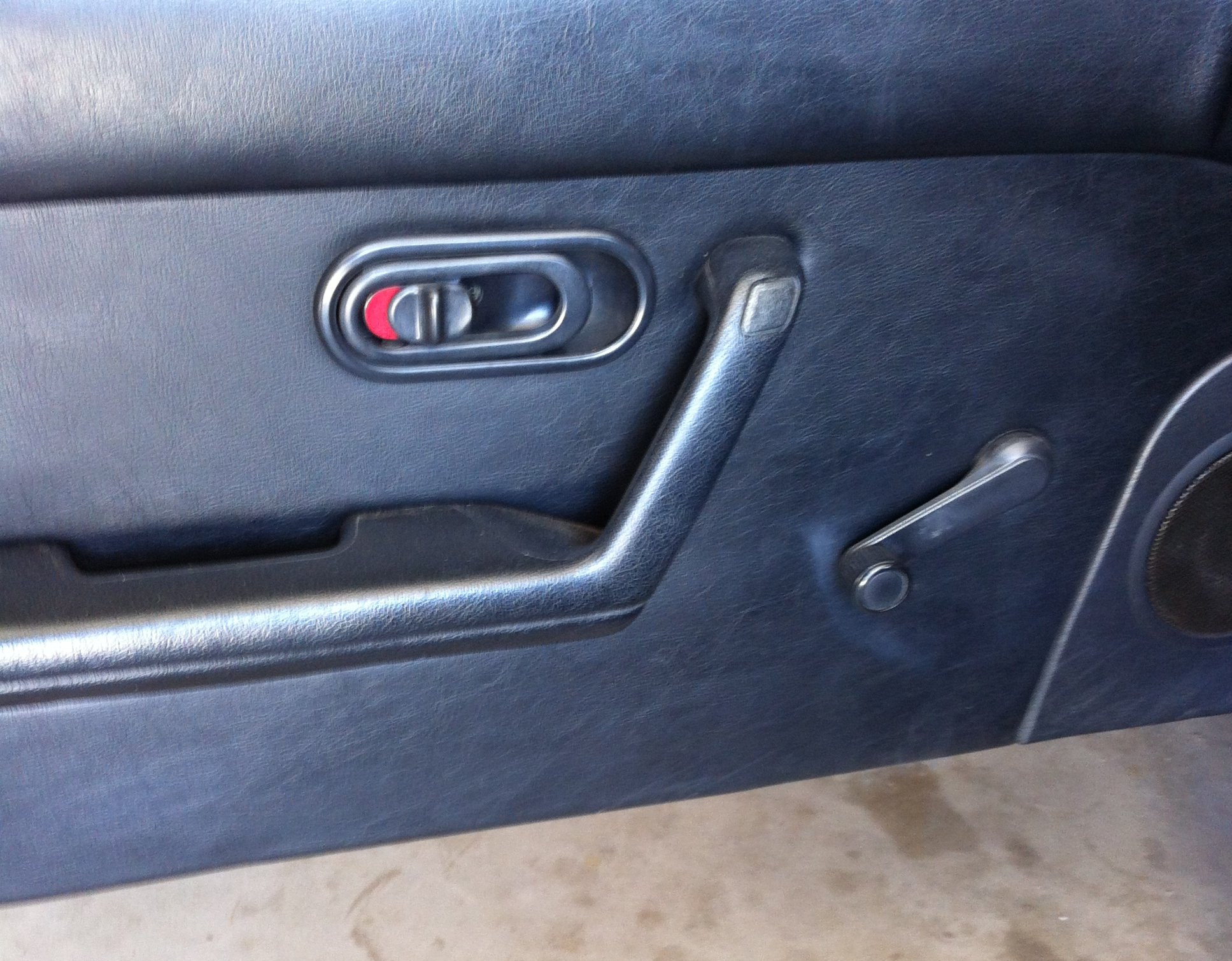
My Mazda Miata has roll-up windows.
Parlor pinks. This term arose in mid-1930s America to describe moderate, non-violent Socialists. Today, “parlor,” aka the living room, may also require definition.
Dance the Paddington frisk. This phrase appeared in Eric Partridge’s A Dictionary of Slang and Unconventional English, 1961. With ghoulish humor, it references the Tyburn gallows being located in London’s Paddington district. The phrase originated in the 17th century and persisted into the 19th. In particular, it has utterly nothing to do with a sweet little bear.
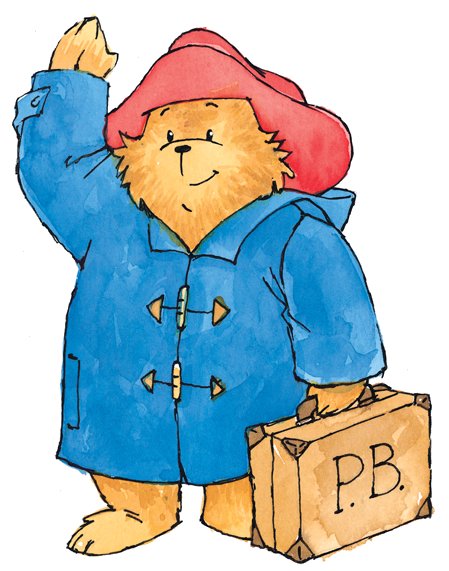
Paddington Brown, a Bear, as conceived by Michael Bond and envisioned by Peggy Fortnum.
Boston marriage. In quaint pre-LGBT days, this term referred to two women living together, independent of a man’s financial support. Imagine that!
Boston marriages became associated with Henry James’s novel The Bostonians, 1886, though he never used the term. An earlier example was the Irish pair Eleanor Butler and Sarah Ponsonby, nicknamed the Ladies of Llangollen.

The Ladies of Llangollen, painting, c. 1880, based on earlier engravings
Eleanor Butler, 1739 – 1829, and Sarah Ponsonby, c. 1757 – 1831, were of noble Irish families. Fleeing conventions of the times, they established their home, Plas Newydd (Welsh for “new hall”), in Llangollen, Wales.
By the way, I have it on good authority that Llangollen is pronounced “Thlan-GOTH-thln,” with emphasis on that second syllable. The marvelous Pontcysyllte Aqueduct is nearby; it’s pronounced exactly as it looks.
Go at a snail’s gallop. We have plenty of synonymous phrases today for this description of lethargy. As proverbs go, however, this one showed remarkably good legs. Eric Partridge dates it from 1545.
[The proverbs of John Heywood: Being the “Proverbes” of that author printed 1546. Ed., with notes and introduction—Primary Source Edition.
It showed up in The Proverbs of John Heywood, 1546, and persisted into the late 1800s. By then, English speakers apparently found more telling analogies, like servants slow at bringing one’s morning tea.
Highball. Highball, the libation, describes a concoction of whisky and non-alcoholic mixer, usually with the latter in the larger portion.
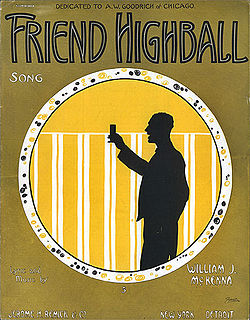
Friend Highball, a 1915 ditty by William J. McKenna.
Such drinks are still imbibed today, though the name seems best associated with buffant-quaffed wives serving them on Formica-top tables in the den. Or maybe savored in the club car on the Twentieth Century Limited.
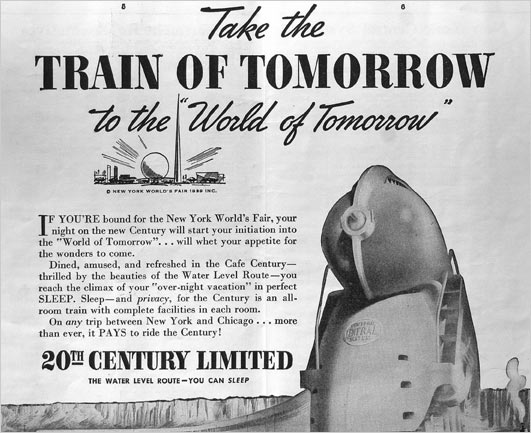
Image from nytimes.com.
Its etymology may be related to the railroad lore of highballing, a steam locomotive running at full pace. This in turn comes from the locomotive’s steam-pressure gauge having its ball pegged at maximum level.
This has nothing to do with “balls-out motoring,” which isn’t what one might think. (It has to do with governors.) ds
© Dennis Simanaitis, SimanaitisSays.com, 2016
 Simanaitis Says
Dennis –
Highballing might come from the existence of flyball governors on steam engines. The ball assembly of the governor rotates in proportion with the engine, usually via a belt drive. The movement of the balls out and upward moves a rod inside the shaft in a downward direction, squeezing the steam valve in the closed direction.
Coarse adjustments of the steam flow are tempered by the flyball governor to keep a constant speed. At large throttle openings, the balls are riding high in their arc, hence “highballing”.