

FAUX PIT STOPS IN F1 PART 1
PIT STOPS in modern Formula 1 are marvelously orchestrated affairs. Four tires are changed, maybe aerodynamic devices are adjusted, and the car is gone, all in a mere 2 seconds … Continue reading

THOUGHTS ON AUTO THEFT
AS REPORTED EARLIER this year in USA TODAY, January 9, 2019, “Thieves stole more vehicles in 2017 than they had in any single year since 2009—and the biggest reason might … Continue reading

RACING LINKS TO R.E. OLDS, THE SULZER BROTHERS, AND A COMMER KNOCKER PART 2
AS UNLIKELY AS it seems, engines with two pistons per cylinder have powered lots of British-built trucks and buses around the world. Today, in Part 2 of our Commer Knocker … Continue reading

RACING LINKS TO R.E. OLDS, THE SULZER BROTHERS, AND A COMMER KNOCKER PART 1
SCORES OF BRITISH bus and lorry drivers have been propelled by a highly unorthodox engine with a racing link. Based on a 1934 patent of Ransom E. Olds, or maybe … Continue reading

SMALL LATIN, LESS GREEK… BUT CHURCHILL HAD A POINT TOO
Hi ENGLISH PLAYWRIGHT Ben Jonson wrote that his late colleague William Shakespeare had “smalle Latine, and lesse Greeke.” Well, come to think of it, me too. I was never encouraged … Continue reading

LEAF MATHEMATICS
HOW COME THE common Japanese shrub Orixa japonica breaks all the rules of leaf arrangement? Basil, for instance, is decussate: Each leaf is about a quarter-turn, 90 degrees, from the … Continue reading

ON FRACKING, EGS, AND QUAKES
MOTHER NATURE DOESN’T take kindly to poking, even when administered with the best of intentions. Science has documented that the extraction of petroleum or natural gas by fracturing subterranean rock … Continue reading
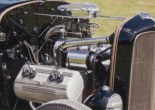
1932 FORD HIGHBOY ROADSTER—A HOT ROD TO THE MAX PART 2
HOT RODS HAVE technical sophistication that belies their home-built heritage. The ’32 Ford Highboy Roadster offered at Gooding & Company Auction, Pebble Beach, 2011, is a perfect example of this. … Continue reading

1932 FORD HIGHBOY ROADSTER—A HOT ROD TO THE MAX PART 1
WHEN I WASN’T imagining MG TCs in study hall, this was the prototypical car I was sketching back then: a modified 1932 Ford roadster, sans fenders and hood, with all … Continue reading

RENAVIGATING WITH CAPTAIN JAMES COOK PART 2
WE LEFT Captain James Cook in yesterday’s Part 1 during his first exploration of the Pacific, 1768–1771, the success of which depended heavily upon consummate skills of Polynesian navigator Tupaia, … Continue reading
 Simanaitis Says