

IS THAT WHAT’S TROUBLING YOU, BUNKIE? PART 1
SOME MIGHT SAY that 2018 has to be the worst year ever. No, bunkie, I’m here to tell you there was a year that topped 2018 by a long shot. … Continue reading
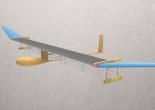
A 21ST-CENTURY WRIGHT FLYER
A PROTOTYPE AIRPLANE with ion drive has made its first successful flights. Its EAD (electroaerodynamic) propulsion has no moving parts; rather, it depends on high voltage generating thrust via an … Continue reading

IS THE INTERNET BROKEN?
“FIXING THE INTERNET” is the title of a thoughtful Editorial in the November 23, 2018, issue of Science, the weekly magazine of the American Association for the Advancement of Science. … Continue reading

ON A SLIPPERY SLOPE OF SAUDI OIL
TRUMP’S RECENT exclamation-point-endowed pandering to Saudi Arabia suggests the need for an update on countries supplying oil to the U.S. To avoid yet further trumpery (Merriam-Webster: “crapola, hogwash, rubbish”), I … Continue reading

ON NORWEGIANS, A MAZE, AND A PARTY FOR “MATH’S NOBEL”
NORWEGIAN MATHEMATICIAN Hans Munthe-Kaas helped to design a new botanical garden at his institution, the University of Bergen. As reported in Science magazine, October 12, 2018, “The result debuted on … Continue reading
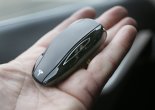
HACK MY TESLA? EASY-PEASY FOR A WHILE THERE
ALL IT TOOK for Belgian researchers to unlock and drive a Tesla Model S was the car’s weak encryption code, $600 of minicomputer hardware, and two seconds of effort. Rest … Continue reading
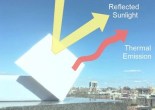
TALKING ABOUT PAINT THAT’S COOL!
“PASSIVE RADIATIVE COOLING” can lower a surface’s temperature by around 10 degrees Fahrenheit. Think of images of Greek isles, with sun-baked buildings painted white to keep cool. Or recall “Cool … Continue reading

TAMING THE MACHINE
IT CLUNKED. IT clicked. It rattled. It whooshed. Once it left the Gods stranded from ascending their rainbow bridge to Valhalla. Rest easy, though: An improved Machine is coming to … Continue reading

TIDBITS FROM AUTOMOTIVE ENGINEERING MAGAZINE
SAE INTERNATIONAL’S Automotive Engineering is published ten times a year, with reports on advances in automotive engineering around the world. I worked as associate engineering editor there back in the … Continue reading

THE SATO SCANDAL
SCIENTISTS, BLESS ‘EM, are only human. And, now and then, there’s one who is deeply flawed. This is a tale of Yoshihiro Sato, the Japanese specialist in bone medicine who … Continue reading

