

BUFFOON, BUFFOONISH, BUFFA
NOT ONLY does the word “buffoon” belong in my Etymology for our Times, there’s an operatic connection as well: Opera buffa is literally “comic opera” as opposed to opera seria, … Continue reading
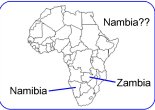
ON THE KINGDOM OF NAMBY-PAMBY
I OFFER today’s SimanaitisSays as amelioration of the U.S. President’s U.N. covfefeing of two African nations, Namibia and Zambia, into “Nambia.” Nambia? I researched this illusive place. The earlier kingdom … Continue reading
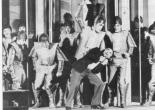
ČAPEK’S ROBOTS
ARTIFICIAL INTELLIGENCE is a controversial topic these days. Will its advancement be to mankind’s good or detriment? Czech author Karel Čapek’s play R.U.R. predicted the latter in 1920, though, in … Continue reading

COMPARATIVE MENDACITY 101
THE ENGLISH language is so amply endowed that there’s comparative mendacity. I never thought of this scale of dishonesty until I looked up “to equivocate,” the next in my ever-expanding … Continue reading

DECEPTION, TO DECEIVE, TO BE DECEPTIVE
TODAY I add the word “deceptive” to my etymological thoughts on useful political descriptors. Recent pronouncements concerning Charlottesville, tax reform, dreamers, not to forget continuing компромат, bring the word “deceptive”and … Continue reading

CLIMATE CHANGE, LANGUAGEWISE
THE TERM climate change has been all but eliminated from the Trump administration’s nomenclature. Thus, I guess, to some this means it doesn’t exist. As an example of this thinking, … Continue reading

ELEMENTAL HAIKU
A HAIKU, as is familiarly known, is a Japanese poem of a particular length and structure. It consists of three lines, the first and last having five sound units, the … Continue reading
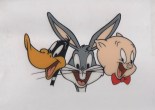
THE CLASSICS WITH DAFFY, BUGS, AND ELMER
THE TERM “cartoon classics” has at least two meanings: There are the Warner Bros and Disney cartoons, timeless in their humor, exquisite in their production values. And there is the … Continue reading
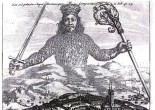
ETYMOLOGY CONTINUED: DEMAGOGUE
FOR ONCE in my continuing Etymology for Today series (see chaos, mendacity, and the like), I’ve come upon a difference in my two primary sources, one dated 1971 and the … Continue reading
GOT MENDACITY?
IN MY continuing series of Etymology for Today, I offer the word “mendacity,” as practiced regularly by our president. Given that it’s a long word, and perhaps unfamiliar to some, … Continue reading

