

TIME MACHINE CHATS PART 2
YESTERDAY, SIMANAITISSAYS IMAGINED a time machine capable of linking famous personages past and present. Today in Part 2, we take this theme to a reductio ad absurdum. All in good … Continue reading

TIME MACHINE CHATS PART 1
SUPPOSE A TIME MACHINE EXISTED allowing historical figures to interact with today’s personages or with each other. Which pairings would you find beneficial to society? Which, to its detriment? Which, … Continue reading

YET ANOTHER MOKE
I WAS ABOUT TO CALL THIS my third Austin Mini Moke, what with my first (the St. Thomas one) appearing in the August 1973 R&T and my second driven “From … Continue reading
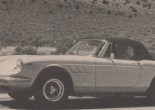
FERRARI 330 GTS—A SUPERLATIVE CAR FROM COMPLEX TIMES
BY THE LATE 1960S, AUTOMOBILES had to fess up to their emissions. California was first with tailpipe standards for the 1966 model year; in 1967 the state established its Air … Continue reading

POCKETS: AN INTIMATE HISTORY….
WE’VE ALL GOT THEM—EVEN WOMEN THESE DAYS. But, as Alexandra Jacobs says in The New York Times Book Review, “In her nifty ‘Intimate History of How We Keep Things Close,’ … Continue reading

A REALLY SOLID IDEA NEARING FRUITION
BACK IN APRIL 2022, SIMANAITISSAYS wrote “Solid-state Batteries” When? If? Whose?” Today, only 18 months later we can forgo the “if,” give the “when” a 2027-2028, and, as suggested, associate … Continue reading

GEORGIAN OUTRAGE!
BRITISH HISTORIAN EMILY BRAND has a keen sense of humor—make that “humour”—in BBC History, September 2023. She shares “The scandals of the gossip-hungry Georgian era” in a modern Brit format. … Continue reading
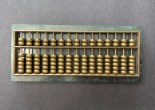
A POCKETFUL OF COMPUTATIONS
JAMES VINCENT’S “INSTRUMENTAL TRICKS,” London Review of Books, October 5, 2023, isn’t about the musical variety, but rather computational: It’s a review of Keith Houston’s Empire of the Sum: The … Continue reading
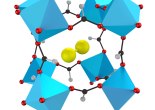
CAGING H2
IN AAAS SCIENCE, September 28, 2023, Robert F. Service writes, “Chemical Cages Could Store Hydrogen, Expand Use of Clean-burning Fuel.” Service says, “Hydrogen seems like the perfect fuel. By weight … Continue reading

HOW DO YOU SAY THAT IN MID-ATLANTIC?
KATHARINE HEPBURN OR ORSON WELLES would have known. And, being as I am into old movies, I recognize this artificial accent as its name suggests sort of a mix of … Continue reading
 Simanaitis Says